October 2026 Edition

The MEER Newsletter

Field updates from Sierra Leone and India, new cooling-fabric and urban-albedo research, and the climate reporting MEER is reading this month — from MEER's work cooling the Earth from the surface up.

Read time
— min
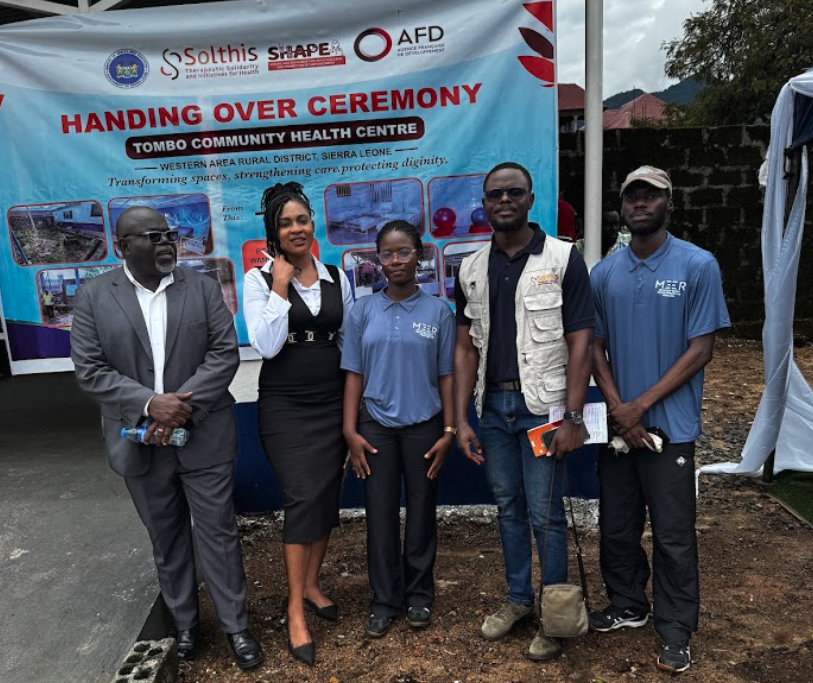
MEER members at the handing-over ceremony for the Tombo Community Health Centre, Western Area Rural District, Sierra Leone

MEER at the handing-over ceremony for the Tombo Community Health Centre, Western Area Rural District, Sierra Leone.

Inside this edition

October 2026 at a glance

The stories, research and reporting in this month's edition.

A message from Dr. Ye Tao following his conference panel in Nanjing, updates from Africa and India, new climate reporting, cooling research and materials science, plus media, throwback and community highlights from MEER.

Founder's message

A message from Dr. Ye Tao

Bringing MEER's work to an international audience at the International Conference on Countermeasures to Urban Heat Islands in Nanjing, China.

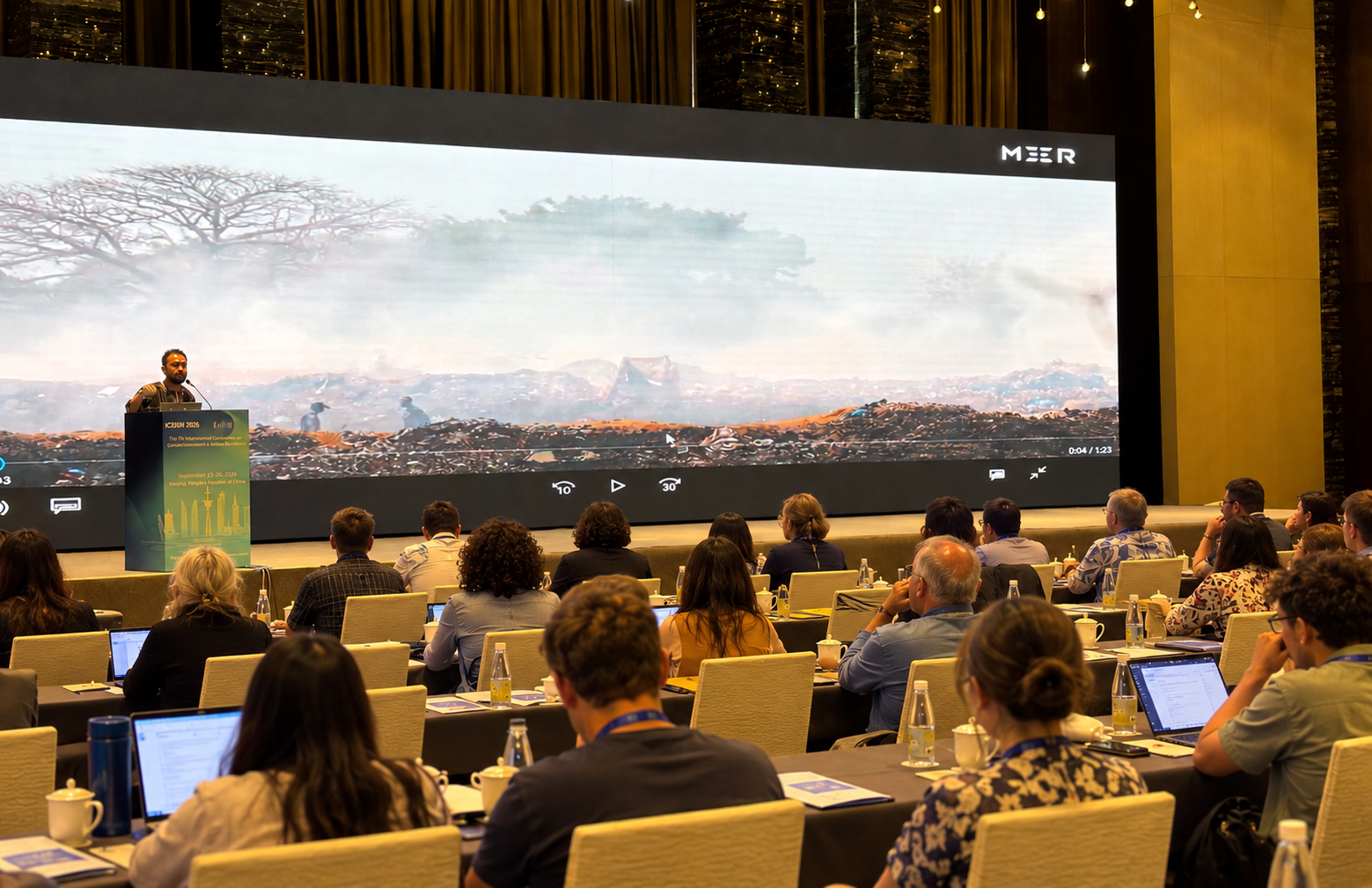
Dr. Ye Tao presenting MEER's work on stage at the IC2UHI 2026 conference in Nanjing, with the MEER logo on the screen behind him
Dr. Ye Tao presenting MEER's work on the opening day of IC2UHI 2026 in Nanjing.
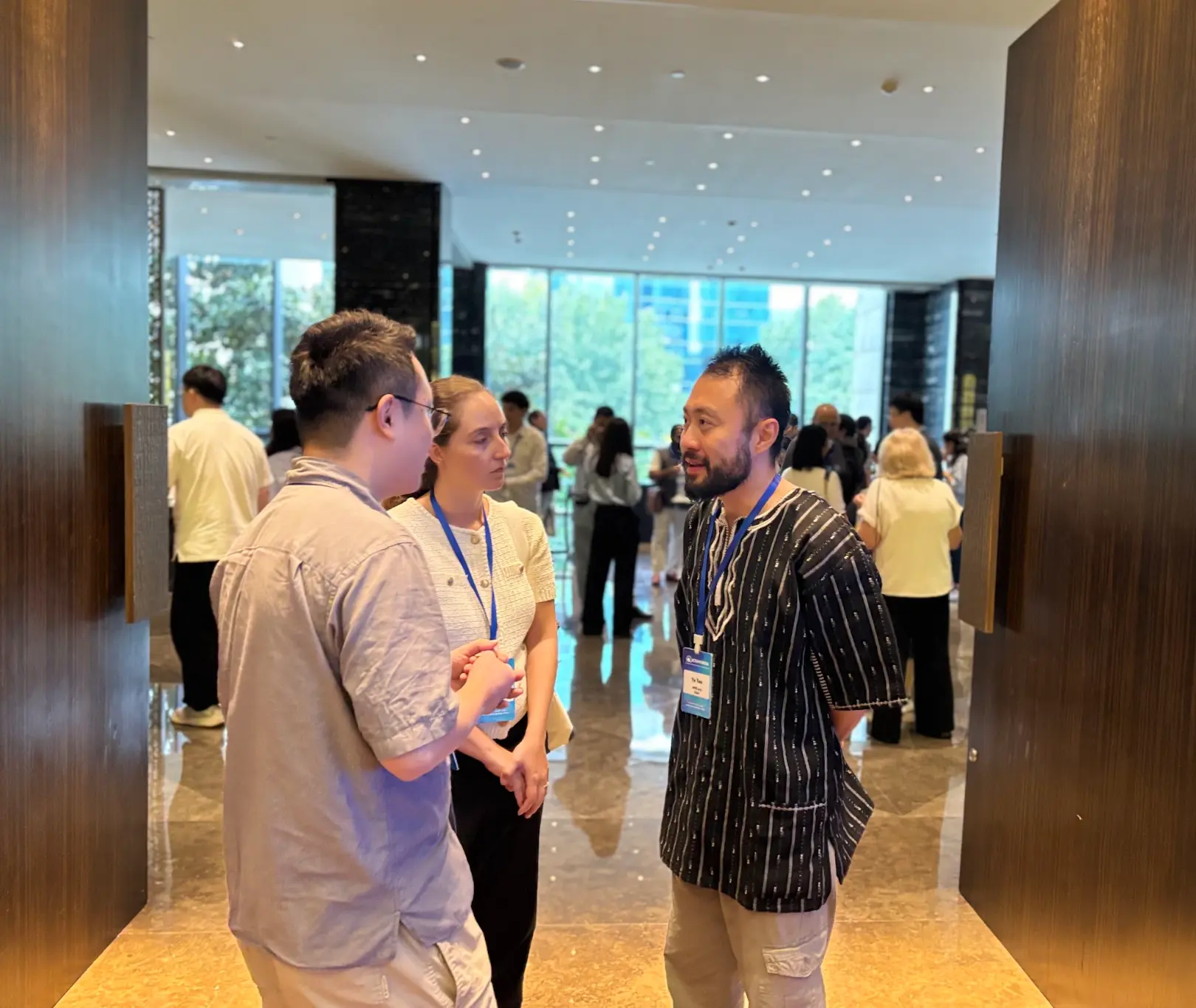
Dr. Ye Tao talking with fellow attendees in the lobby of the IC2UHI 2026 conference venue
Conversations with researchers and practitioners between sessions.

Last month I was in Nanjing, China, for the International Conference on Countermeasures to Urban Heat Islands. I participated as a panelist in the Surface Albedo Modification Technology session on 24 September, where I shared MEER's approach to reflective cooling and what we have learned from our field deployments.

I also gave a short presentation about MEER's work and showed a video of some of our projects in action. It was a valuable opportunity to introduce what we do to an international audience of researchers and practitioners working on urban heat mitigation, reflective surfaces and related cooling technologies, exactly the community whose engagement can help move passive cooling from a promising idea into mainstream practice.

The conversations at the conference reaffirmed that the work MEER is doing resonates with the people who study and deploy cooling solutions around the world, and I look forward to sharing more about the connections and collaborations that came out of it in the coming months.

In Africa, the work continues on climate adaptation, where I direct the projects remotely for now. Our teams on the ground are advancing installations and community partnerships, and I am in regular contact with them to guide deployments and review field data as the program scales.

In the near future I will be traveling to the United States to investigate potential collaborations and identify sites for trials of our cooling systems. Building relationships with research institutions, municipal partners and community organizations there is an important next step for expanding MEER's impact, and I look forward to reporting on what comes of those visits.

As always, I want to thank our members and supporters for making this work possible. Your continued support and engagement make a real difference, and I look forward to sharing more with you in the coming months.

Warm regards,
Dr. Ye TaoFounder and Science Director

Field stories

From the programs

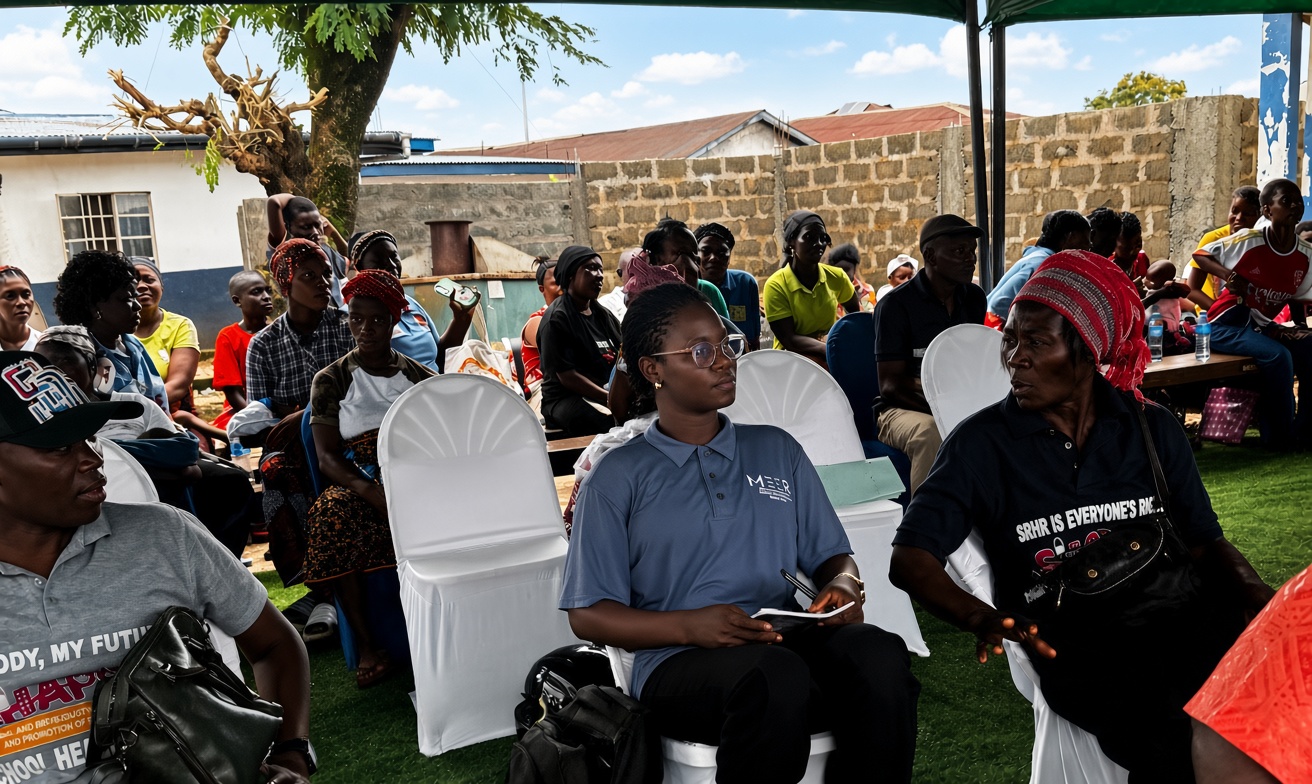
Updates from MEER's field work in Sierra Leone and India this month.

Climate news

Worth reading this month

Reporting from elsewhere that connects to the heat challenge MEER is working on.

Aerial view of a densely packed manufactured housing park with rows of mobile homes, palm trees and parked cars

NPR · 7 September 2026

How heat is killing people who live in manufactured homes

An NPR investigation finds that heat kills thousands of Americans every year — and that official records radically undercount the toll. The risk is especially high for the millions of Americans who live in manufactured housing like mobile homes and trailers. In Maricopa County, Arizona, home to Phoenix, heat-linked deaths consistently exceed the entire annual toll across the U.S. from hurricanes, floods and tornadoes combined.

The reporting follows geographer Patricia Solis at Arizona State University, whose mapping work first revealed the outsized danger facing mobile home residents — a reminder of why affordable, passive cooling matters for the most heat-exposed communities.

Read the investigation on NPR

Axios · 8 September 2026

Extreme heat is rewriting the job of state government

Reported by Rebecca Falconer for Axios, this piece tracks how US states are building systems to manage a hazard they were never designed for: appointing heat officers, writing statewide heat plans, setting worker protections, funding cooling infrastructure and coordinating responses across agencies. July 2026 was the hottest month ever measured in the contiguous United States.

Massachusetts became the first East Coast state — and the second nationally, after Arizona — to appoint a heat resilience officer, while California's updated 2026 action plan spans health, housing, energy and worker protections. Researchers quoted in the piece note that heat still lacks its own budget and institutional home: "if everyone's responsible, no one's responsible." That gap is precisely where low-cost, passive reflective cooling can help communities now, rather than later.

Read the full article on Axios
Silhouette of a person standing in a field against a blazing orange sunset, shielding their eyes from the sun
Interesting fact

When a sea of white cools the land below

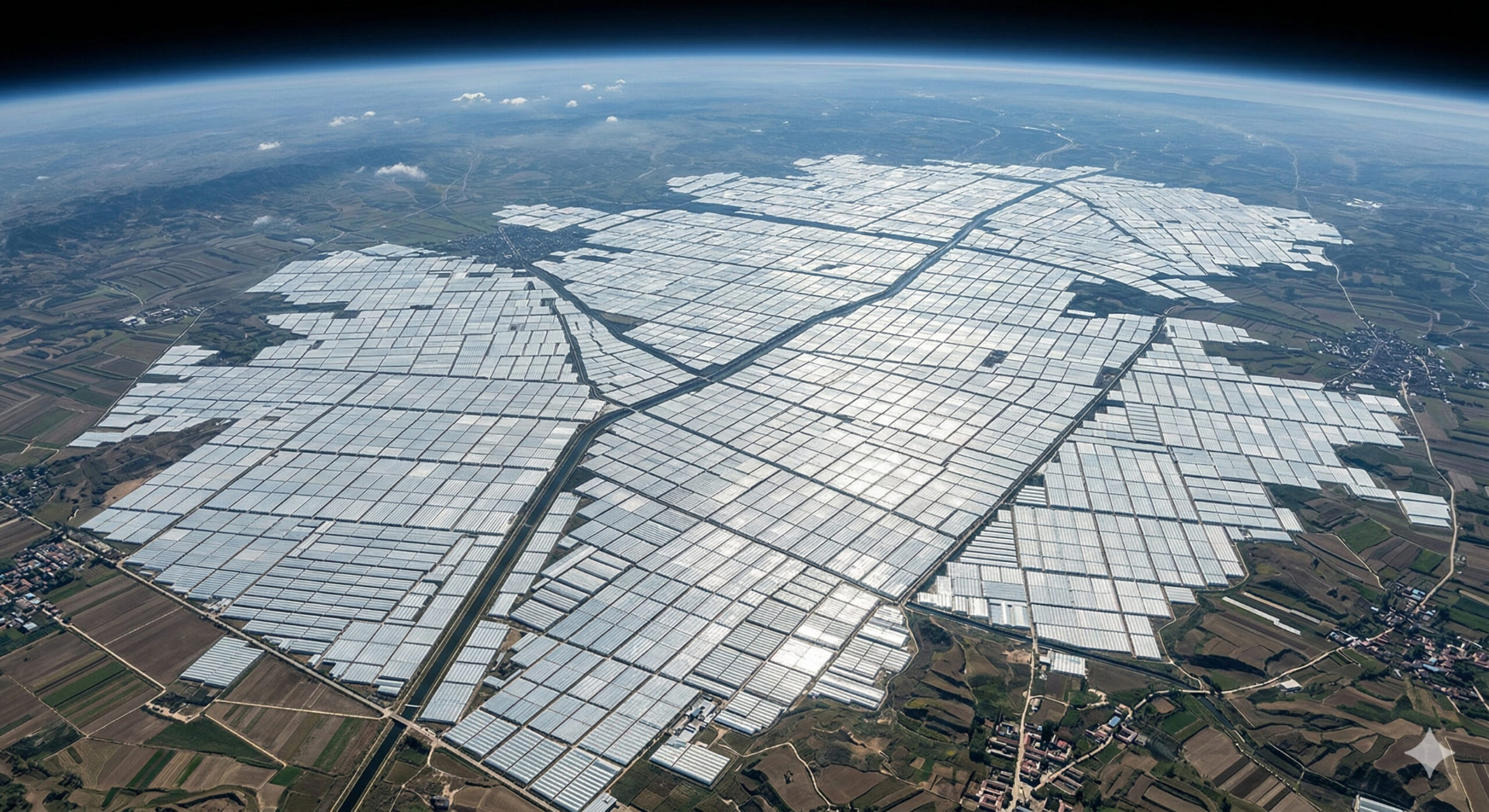
The same physics MEER deploys on roofs and roads — high albedo reflecting incoming solar radiation — is visible from orbit in China's Shandong Province.

Satellite view of a vast expanse of highly reflective white plastic greenhouse roofs covering the landscape around Weifang, Shandong Province, China, with the curvature of the Earth visible at the topSeen from orbit

The world's largest cluster of plastic greenhouses covers over 820 square kilometers (316 square miles) around Weifang, Shandong Province. Seen from orbit, the dense white and translucent plastic roofs form a bright patch that stands out against the surrounding farmland — because they are doing exactly what a high-albedo surface should: reflecting incoming solar radiation back toward space instead of absorbing it as heat.

That reflectivity is the same principle MEER applies with reflective cooling paints and films on roofs, roads and walls. A surface that bounces sunlight away stays cooler, and a cooler surface means a cooler space beneath it. The satellite image is striking precisely because the effect is so large and so visible — hundreds of square kilometers of bright, reflective material measurably reducing the heat absorbed by the land below.

Location
Weifang, Shandong Province, on the North China Plain.
Scale
Over 820 km² (316 sq mi) of highly reflective roofing.
Why it shines
The white plastic roofs reflect so much sunlight that the area is clearly visible to satellites like NASA's Landsat.

Throwback

Revisiting important talks and ideas from the MEER archive

As our work continues to expand internationally, it’s worth revisiting some of the presentations that helped shape MEER’s thinking.

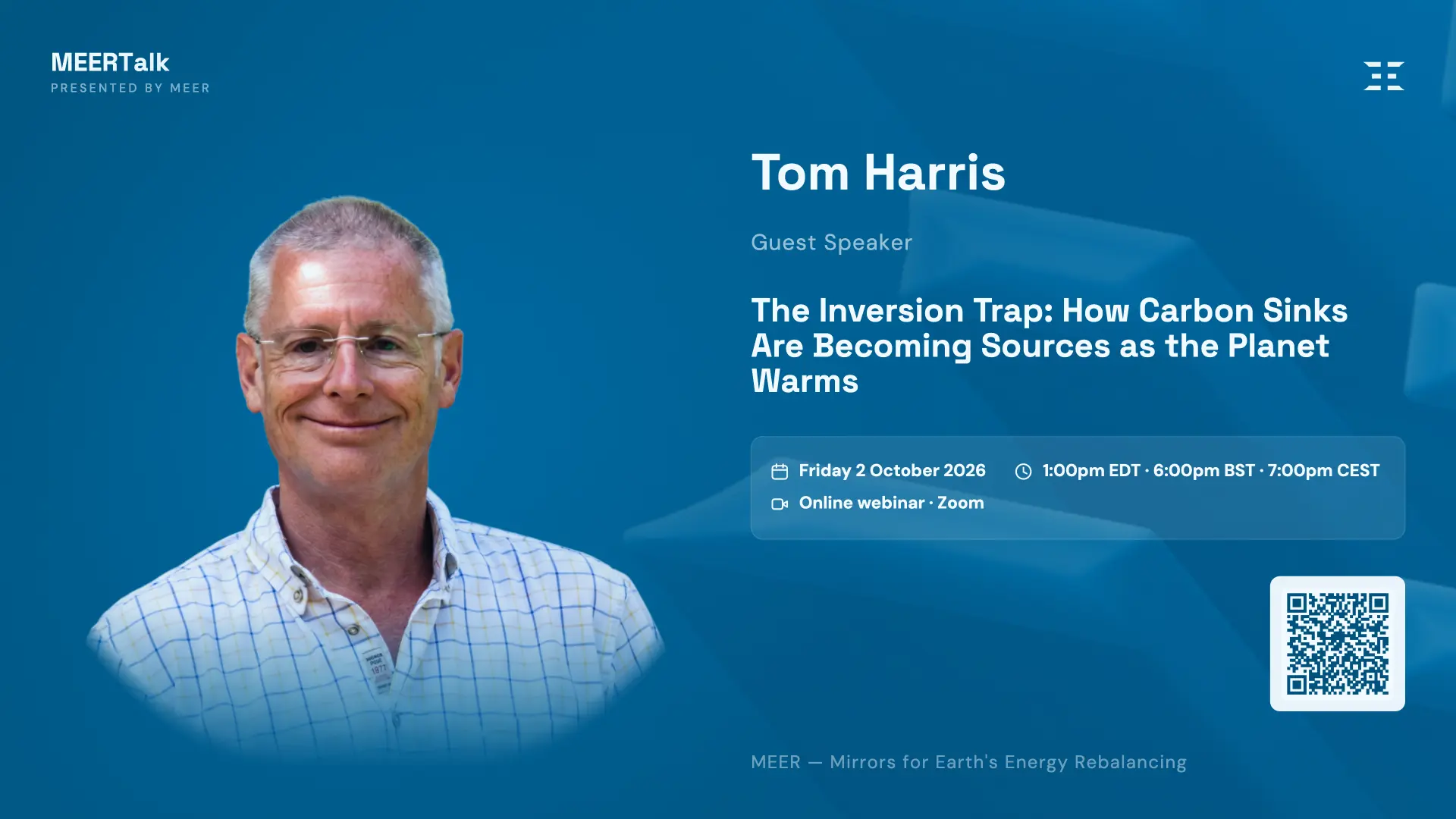
Dr. Ye Tao at London Climate Action Week 2025 presentation thumbnail
Throwback29 minutes

Dr. Ye Tao at London Climate Action Week 2025

Sustainable Global Cooling

Dr. Tao joined London Climate Action Week 2025 to present MEER's approach to sustainable global cooling. He explained how reflective surfaces can help rebalance Earth's energy budget while protecting communities from extreme heat.

Whether you watched it when it first aired or are discovering it for the first time, this presentation remains one of the best introductions to MEER’s approach.

Community

MEER at the Science Summit

Our Director of Education represented MEER in New York as world leaders gathered for the 81st United Nations General Assembly.

MEER logo

MEER

Mirrors for Earth's Energy Rebalancing · 21 September 2026

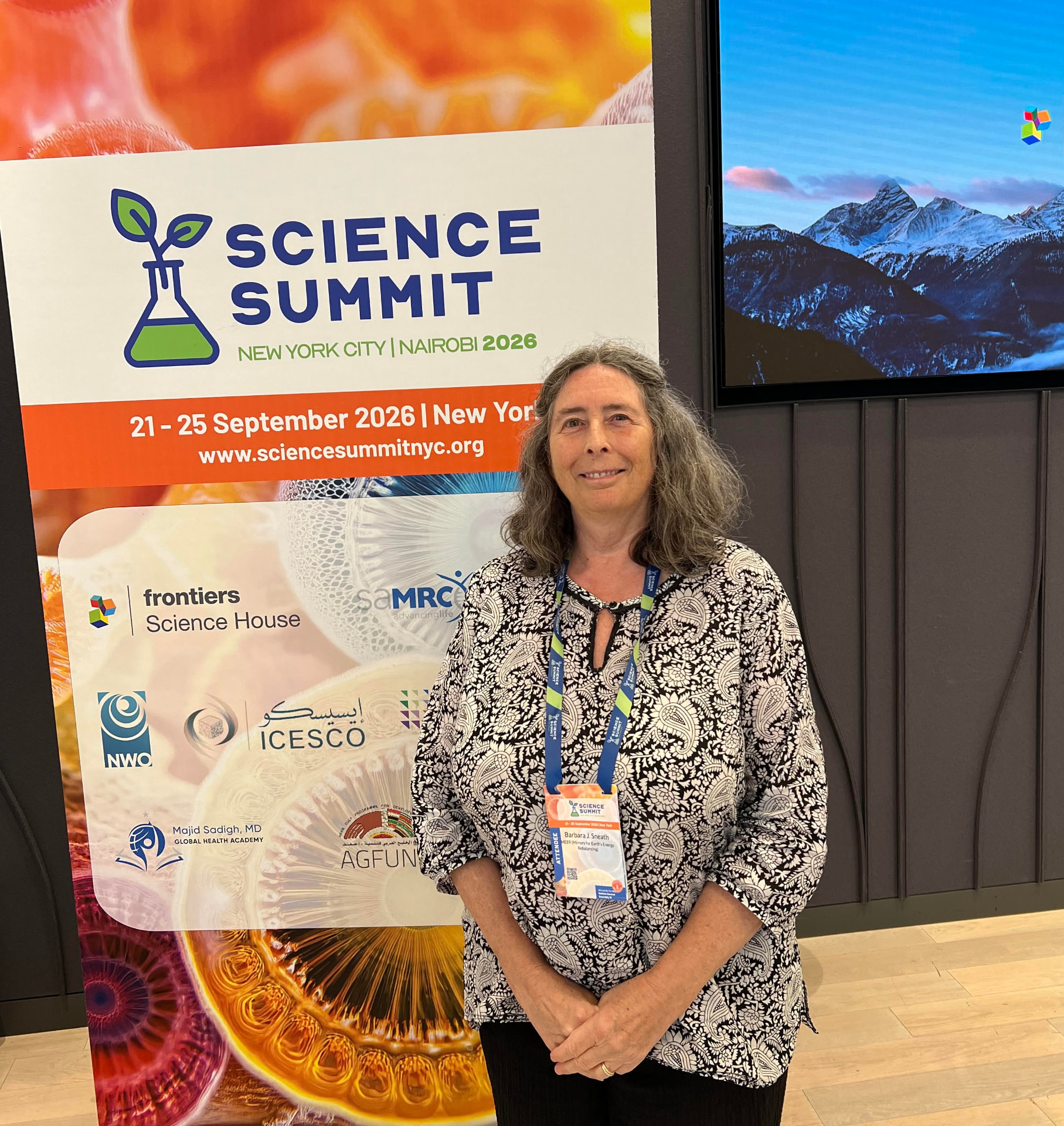
Our Director of Education, Dr. Barbara J. Sneath, joined the Frontiers Science House roadshow in New York, part of the Science Summit 2026 held alongside the 81st United Nations General Assembly. The session brought the global science community together with policymakers to explore science, policy and investment for a changing world.

Dr. Barbara J. Sneath standing in front of the Science Summit New York City 2026 banner at the Frontiers Science House venue

Dr. Barbara J. Sneath, MEER's Director of Education, at Frontiers Science House, Science Summit 2026, New York.

Have a community story? If you are taking part in an event on behalf of MEER, promoting our work, or seeing reflective cooling make a difference where you live, let us know. We would love to share your story in a future newsletter. Get in touch.

Support MEER

Help cool the planet and Protect Communities

Placeholder — keep or refresh the standing support copy for this edition.

Donate to MEER

Test Partners

Become a Test Partner

Would you, or someone you know, like to help test MEER’s developing PDRC cooling paints or future canopy systems? We’re inviting individuals, schools, businesses and community organizations across the US and Europe to register their interest. Participation could range from a simple demonstration with photographs and feedback to more detailed temperature monitoring. If you know someone with a suitable space, please share this invitation with them.

Register Your Interest

Our products are still under development. We’ll contact suitable partners as testing opportunities become available.