India Update · October 2026
When heat, not demand, decides what sells
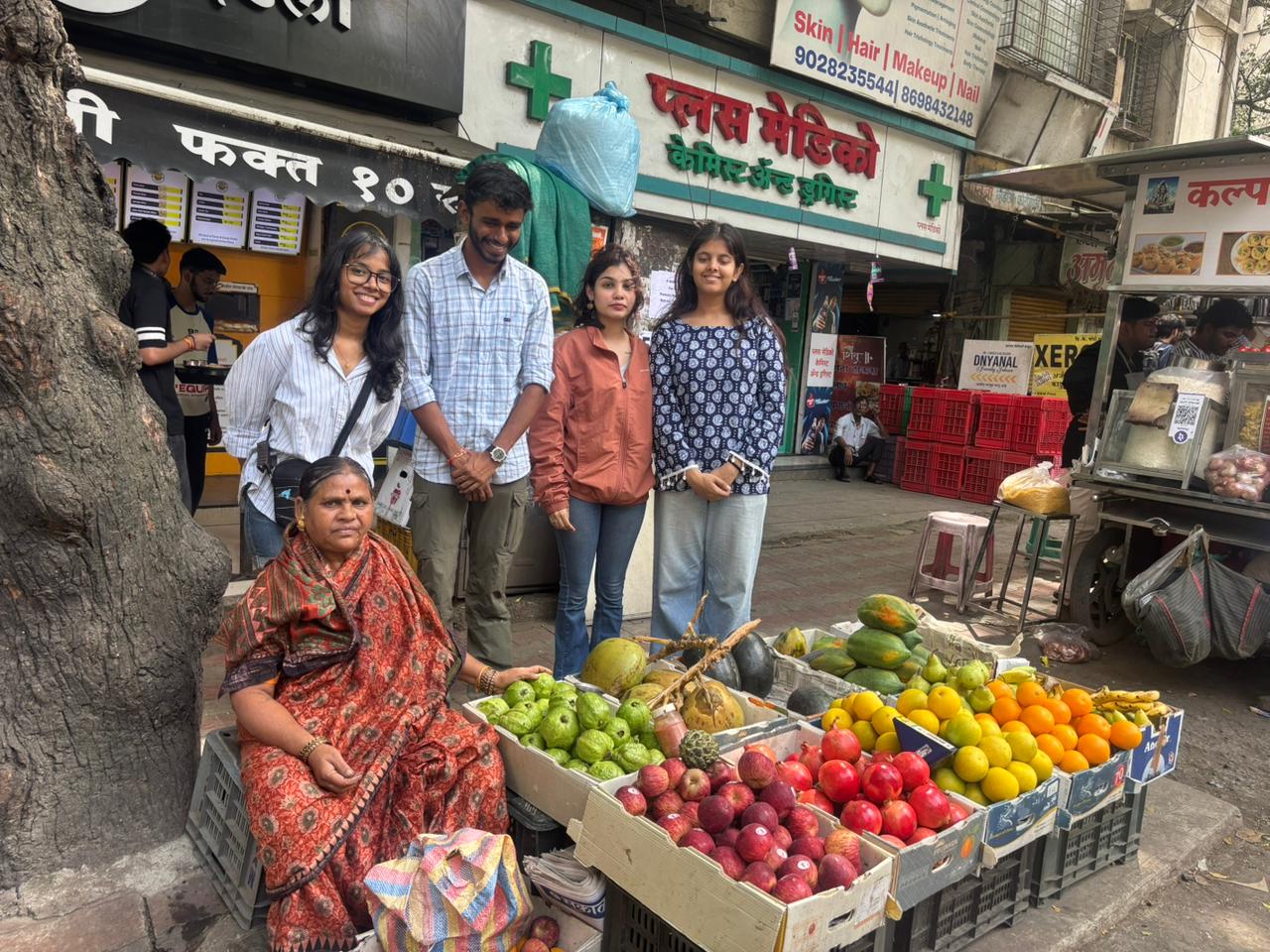
What MEER's second round of vendor interviews on FC Road, Pune reveals about produce spoilage and the case for passive cooling
Background & purpose
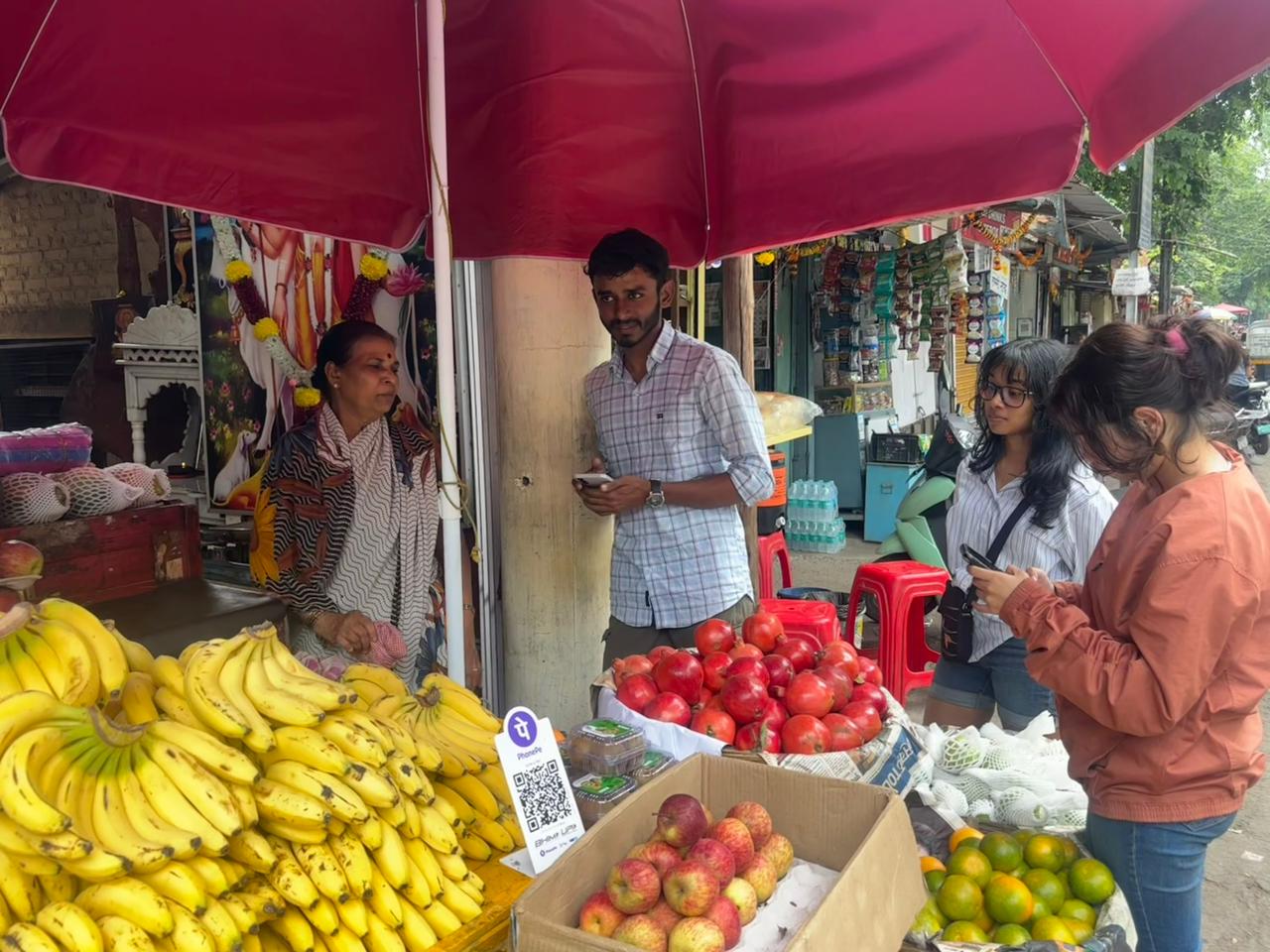
MEER's India team has completed the second round of vendor interviews with fruit sellers on FC Road in Pune, as part of the wider MEER field research into produce spoilage and the potential value of a passive, reflective cooling solution for street vendors.
The goal of this round was to move beyond general impressions and begin gathering vendor-reported figures — how much produce is bought, sold, discounted and wasted each day, and what that represents in money — so that MEER can begin to size a realistic price point and payback period for a cooling product.
How the survey works
A structured questionnaire is used, covering daily purchase volumes and cost, the split between full-price, discounted and unsold produce, estimated daily and weekly monetary loss, seasonal variation across summer, monsoon and cooler months, the fastest-spoiling items, and each vendor's willingness to pay for a cooling solution. Responses are recorded as given, in the vendor's own phrasing where numbers are approximate or mixed-language.
What the vendors tell us
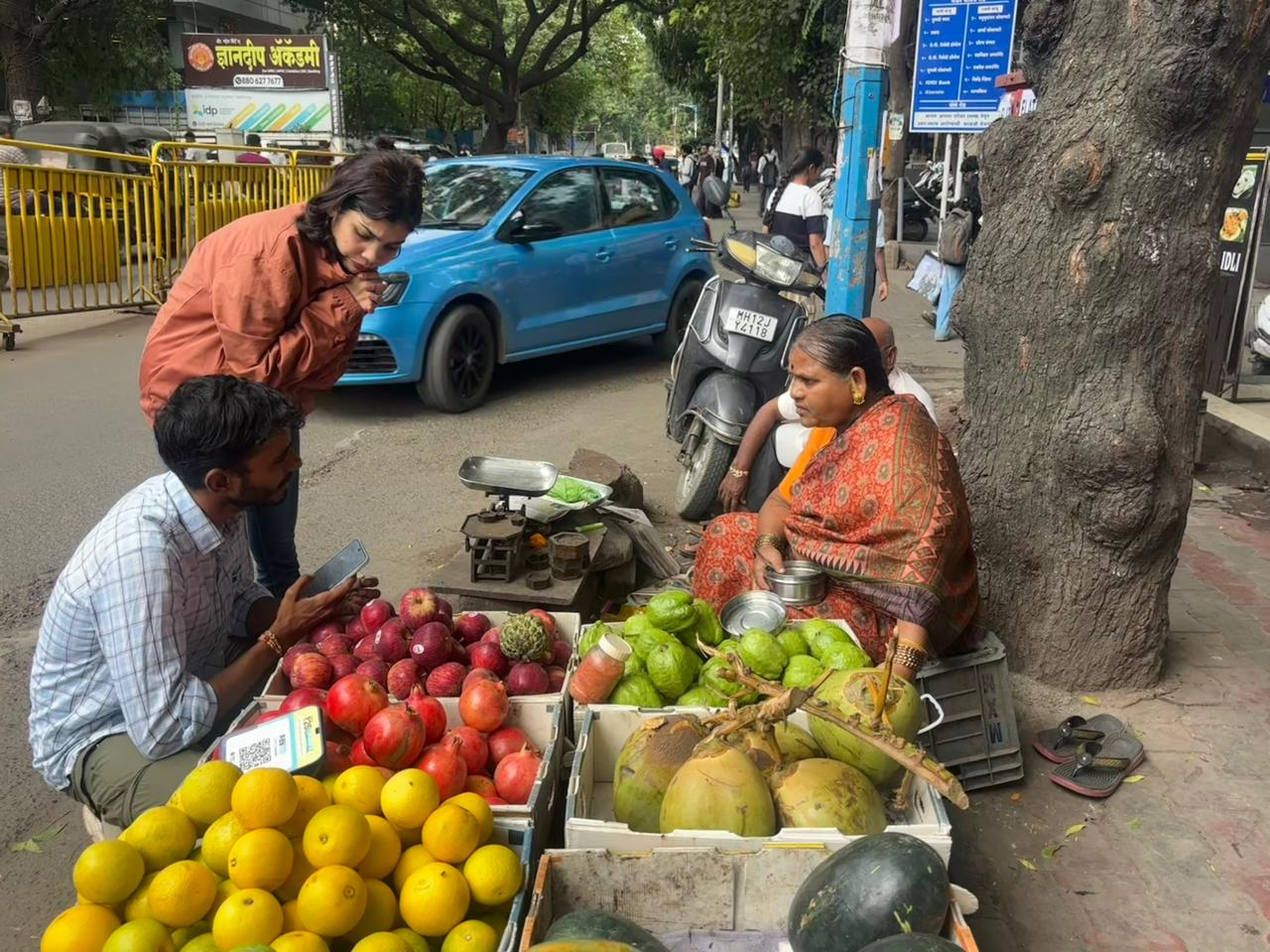
Across the stalls surveyed so far, the picture is strikingly consistent. Despite very different stall sizes and produce mixes, vendors report losing a meaningful share of their produce value to spoilage and unsold stock on an ordinary day — and that share climbs noticeably through the summer. The fastest-spoiling items and the discounting patterns vary from stall to stall, but the underlying story is the same: heat, not lack of demand, is driving a steady daily loss.
Conventional refrigeration and cold storage are largely unavailable, unaffordable or unsuitable for informal street-trading environments, so vendors rely on shade, umbrellas and rapid discounting to move produce before it spoils.
Why this matters for MEER
Even with a small sample, the pattern is consistent with the premise behind MEER's reflective cooling concept: a meaningful share of vendor revenue is currently lost to heat-driven spoilage rather than lack of demand. A cooling solution priced well below that daily loss figure would, in principle, pay for itself quickly — but this needs a larger sample and an actual willingness-to-pay answer before it can support a pricing recommendation.
By listening to vendors and gathering evidence directly from the field, the MEER India team is building the foundation for future research and potential trials designed to reduce produce losses, support livelihoods and strengthen resilience to rising temperatures.