Africa Update · November 2026
Preparing for the next climate adaptation project in Bonthe
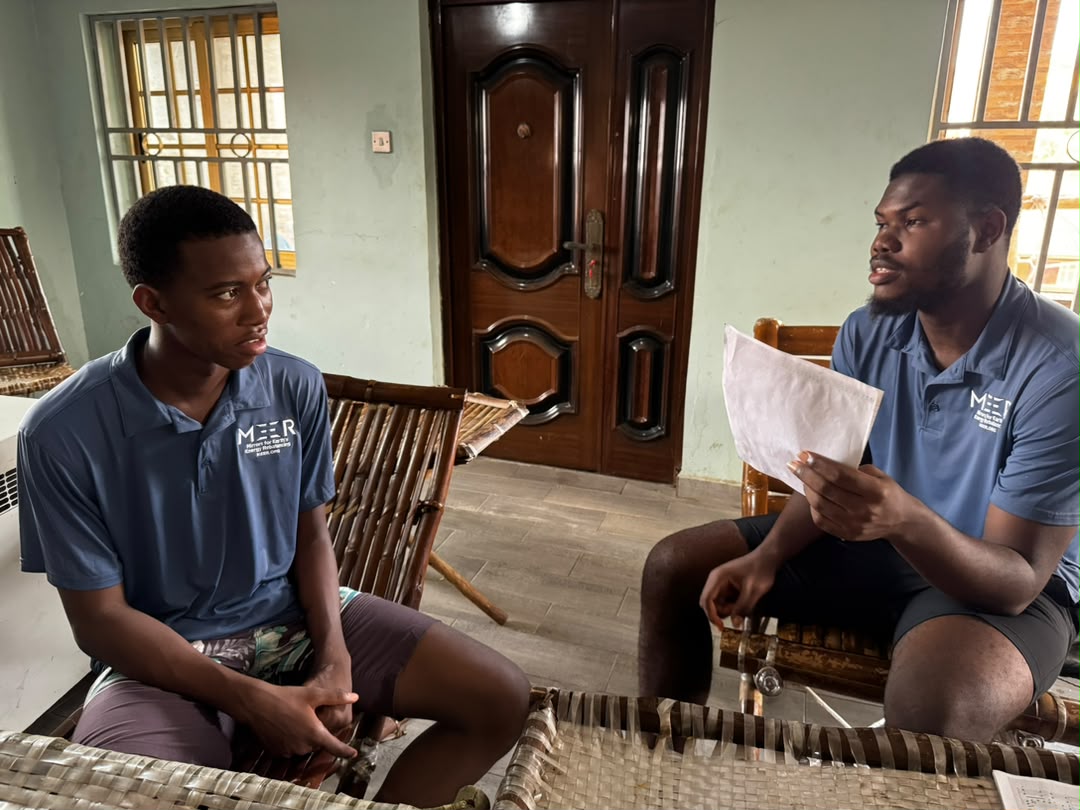
MEER's Sierra Leone team is preparing for the next phase of its climate adaptation research, with a new reflective cooling paint experiment planned at UBC Church in Bonthe.
The project will investigate how passive cooling technologies can help reduce heat exposure in community buildings, particularly in regions where rising temperatures are making indoor environments increasingly uncomfortable.
A key focus of the team's recent work has been developing and refining tailored heat and thermal comfort surveys ahead of the experiment. These questionnaires are being designed specifically for the church community, helping researchers understand how people experience heat inside the building, how frequently they use the space and how important the church is to local community life.
The team is carefully reviewing the survey questions to ensure they are relevant, easy to understand and practical to administer. The aim is to keep each survey to approximately five minutes, allowing researchers to gather meaningful information from a representative group of church users without placing unnecessary demands on participants.
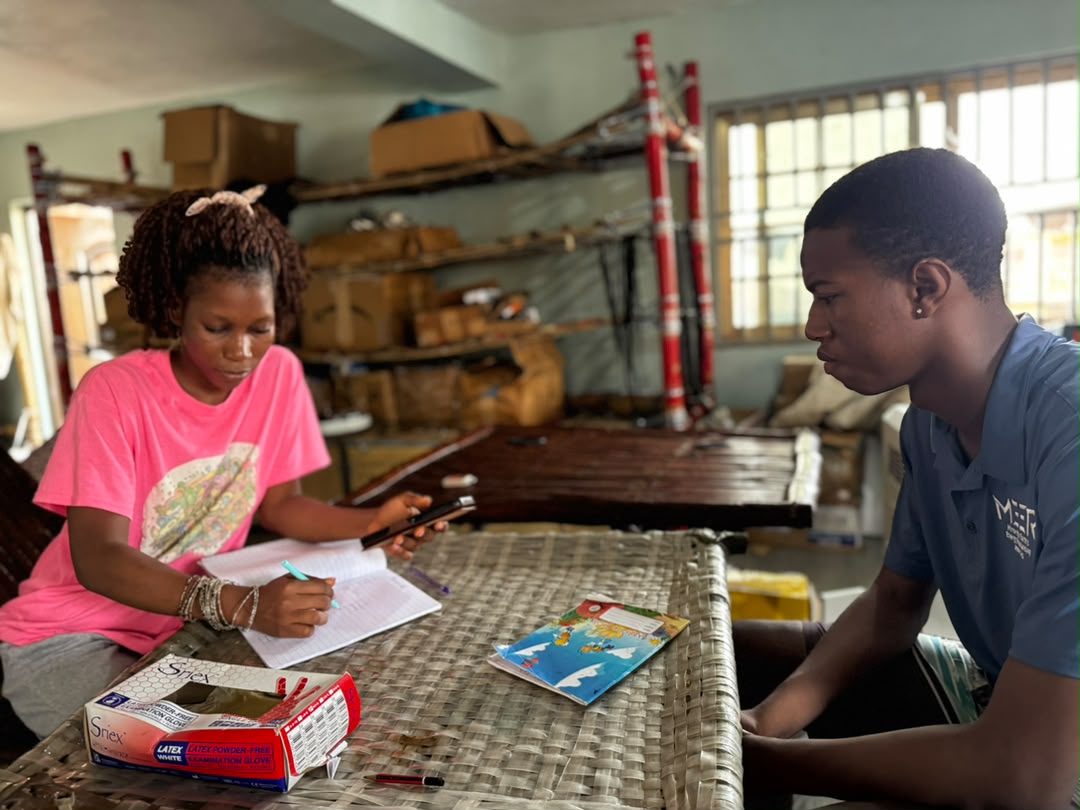
These preparations are an important part of establishing a reliable baseline before any cooling intervention takes place. Alongside the surveys, the project will involve environmental monitoring to assess indoor and outdoor thermal conditions before and after the application of reflective cooling paint.
By combining temperature measurements with feedback from building users, MEER hopes to develop a clearer understanding of both the physical cooling performance of the technology and its potential benefits for people using the building.
The Sierra Leone team has also been checking research instruments, coordinating personnel and planning the practical arrangements needed for the upcoming fieldwork.
Meanwhile, routine maintenance continues at MEER's existing cooling demonstration sites, helping ensure that installed systems remain in good condition and available for ongoing observation and research.
The Bonthe church project represents another step towards understanding how affordable, electricity-free cooling technologies could help communities adapt to increasingly extreme heat. Through careful preparation, locally coordinated research and direct community participation, MEER aims to generate practical evidence that can inform future climate adaptation projects in Sierra Leone and beyond.