Dr. Ye Tao looks ahead to MEER's next phase, our Sierra Leone team prepares a new cooling trial in Bonthe, and MEER members join the conversation at New York Climate Week.
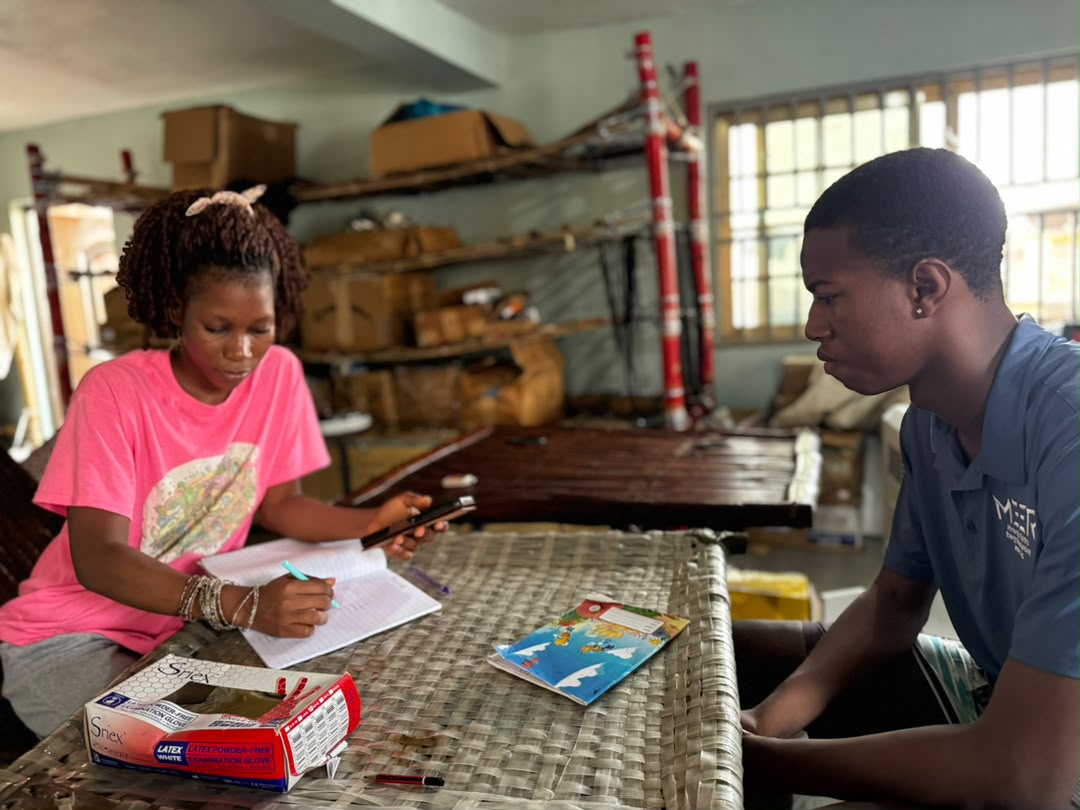
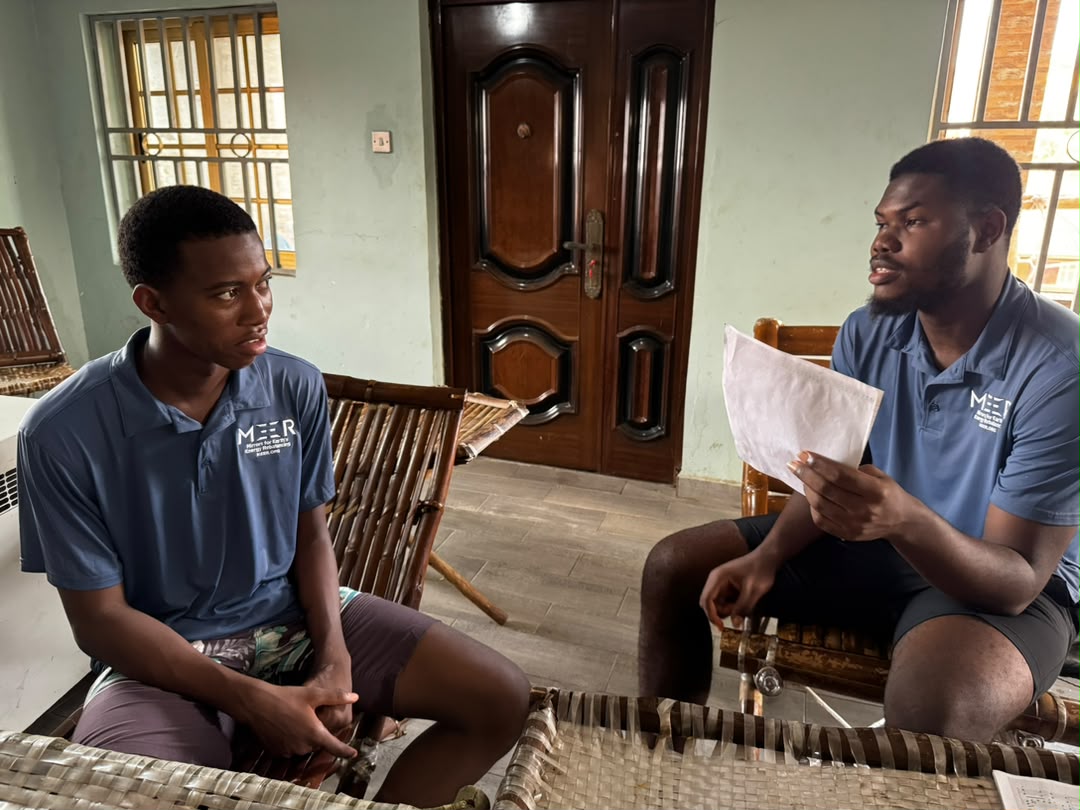
Two MEER members discussing heat survey questions.
Inside this edition
November 2026 at a glance
The stories, research and reporting in this month's edition.
01
Founder's message
Advancing MEER's science, technology and global collaborations
02
Africa update
Preparing for the next climate adaptation project in Bonthe
03
India update
Developing practical cooling for street vendors
04
Material science
How do cooling clothes actually work?
05
Policy news
IMO adopts frameworks to assess marine geoengineering research activities
06
Novelty Tech
Ceramic cubes that cool with water, not electricity
07
Media
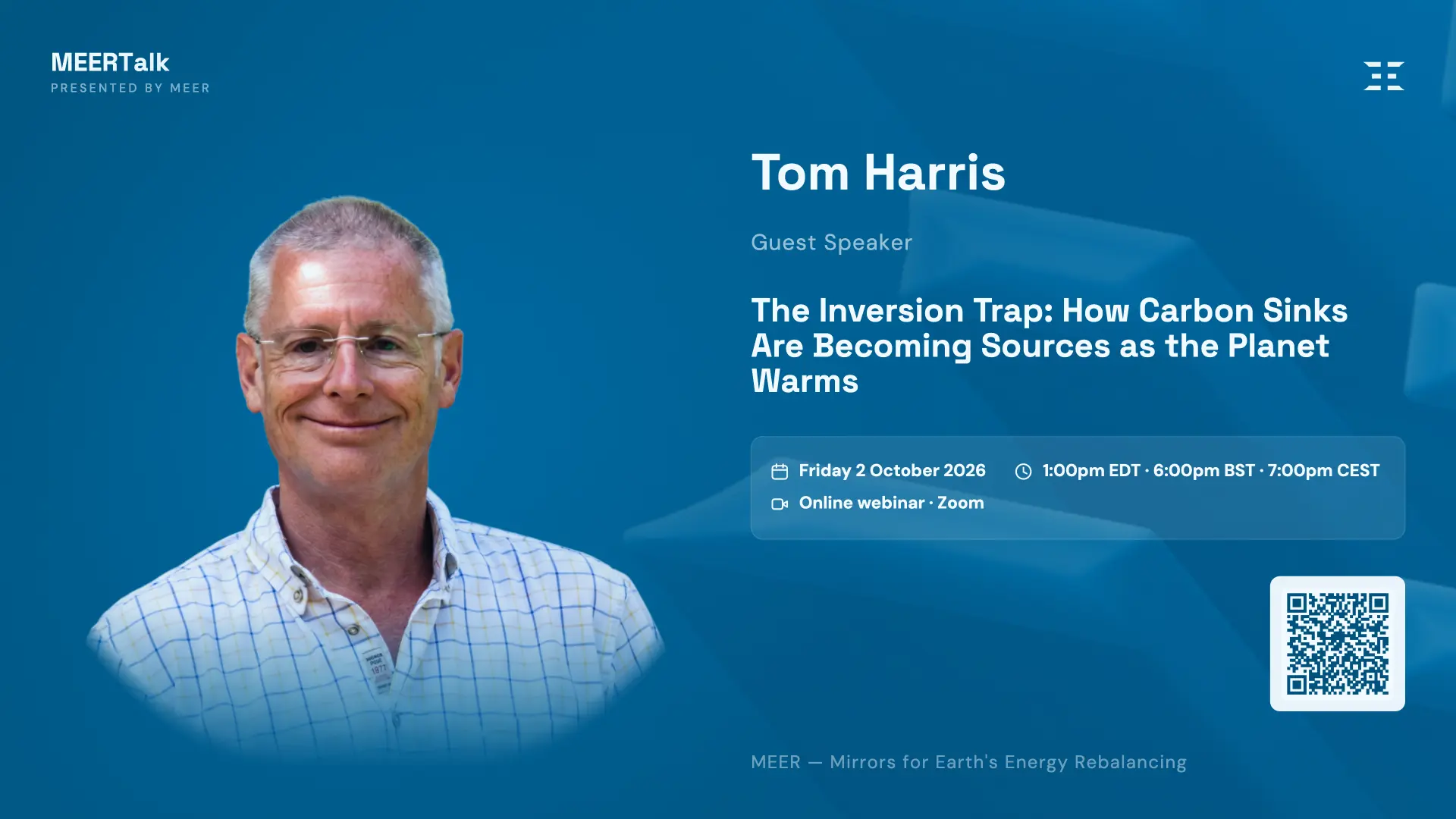
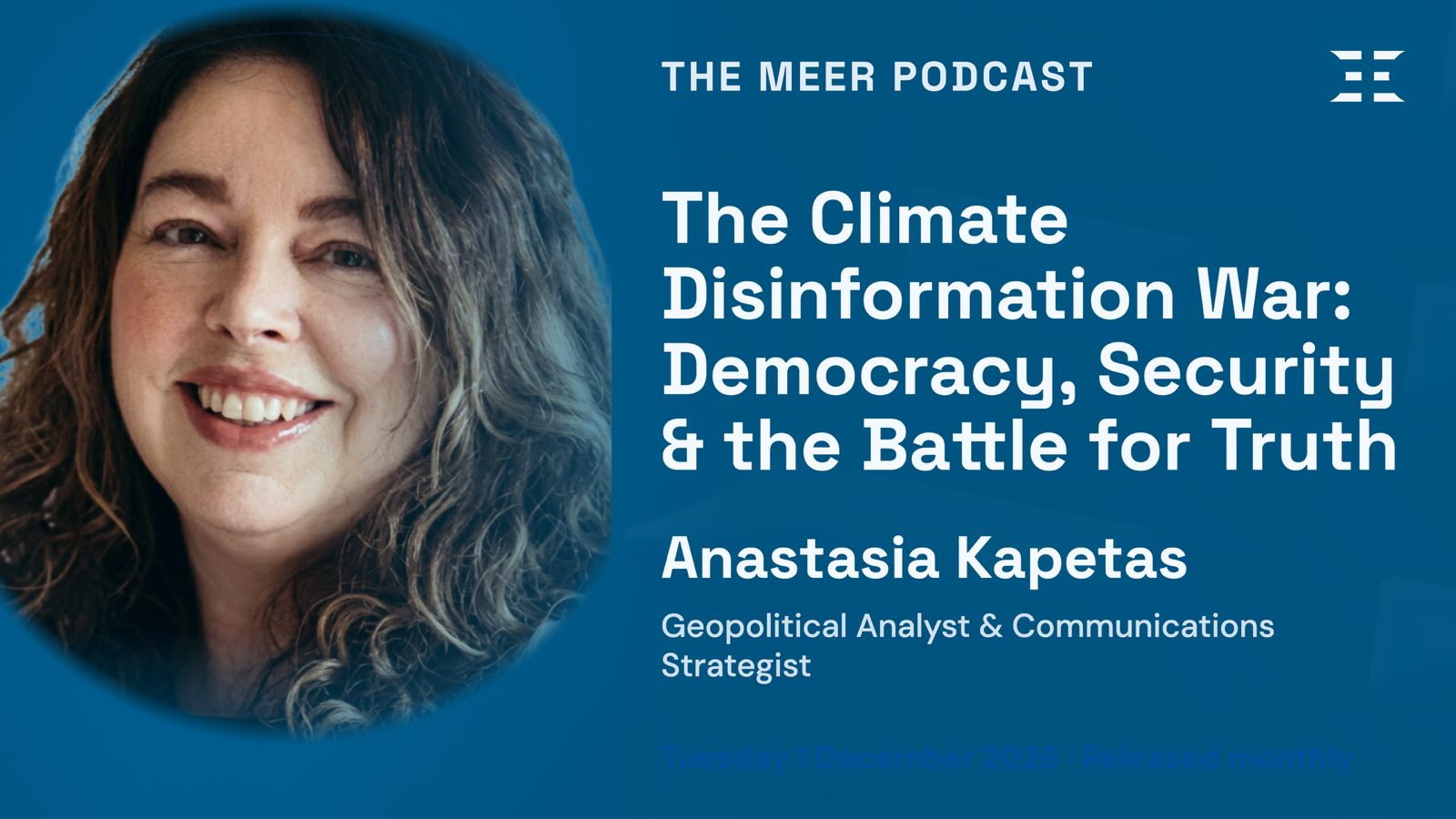
Tom Harris on The Inversion Trap and Anastasia Kapetas on climate disinformation
08
Upcoming MEERTalk
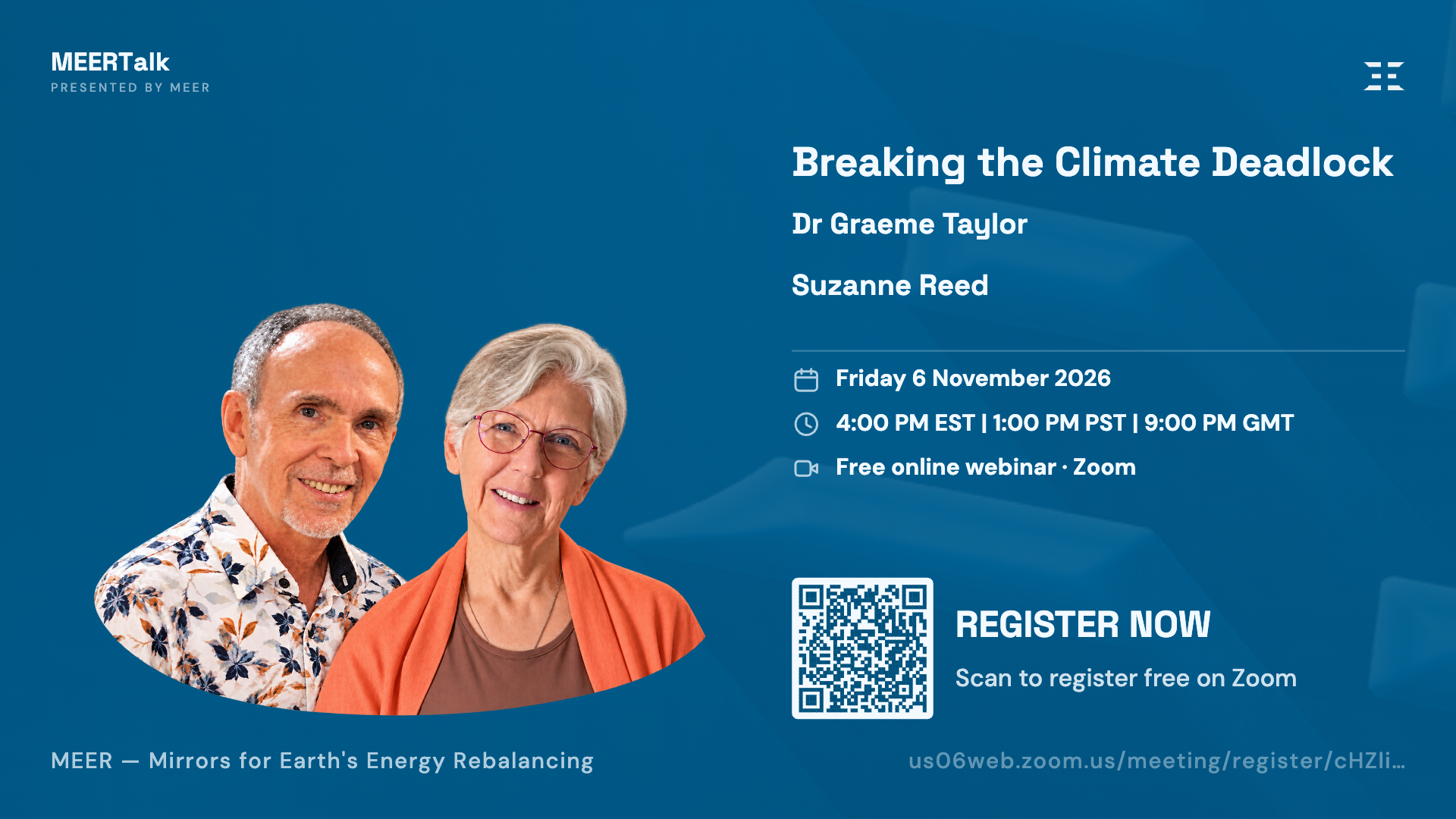
Breaking the Climate Deadlock with Dr. Graeme Taylor and Suzanne Reed
09
Throwback
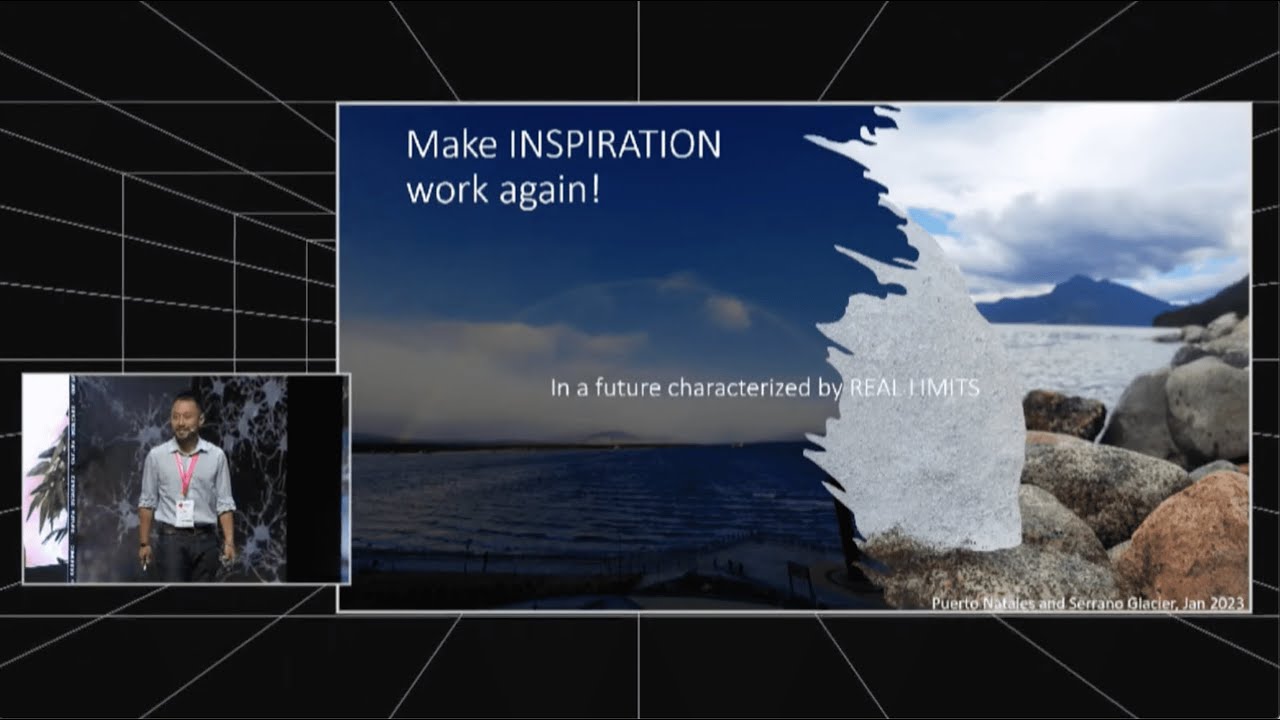
Dr. Ye Tao at Congreso Futuro in Santiago, Chile
10
Community
MEER members attend New York Climate Week
Founder's message
A message from Dr. Ye Tao
Looking ahead to the next phase of MEER's science, technology and global collaborations.
Dear Friends and Supporters,
As we move toward the end of another year, I wanted to take a moment to share a brief update on where we are with MEER and some of the exciting work taking shape for the months ahead.
After spending time in China, I traveled to New York in September for Climate Week, an important opportunity to reconnect with the wider climate community and exchange ideas on how we can accelerate practical solutions to the growing challenge of global warming.
I am continuing my stay in North America, meeting and engaging with scientists, researchers and potential collaborators as we consider the next phase of MEER's development. These conversations are helping us shape our strategy for the coming 12 months, particularly how we can strengthen our scientific research, advance our technologies and establish new partnerships that will support future demonstrations and wider deployment.
Much of our work at present is taking place behind the scenes, but progress continues across several important areas.
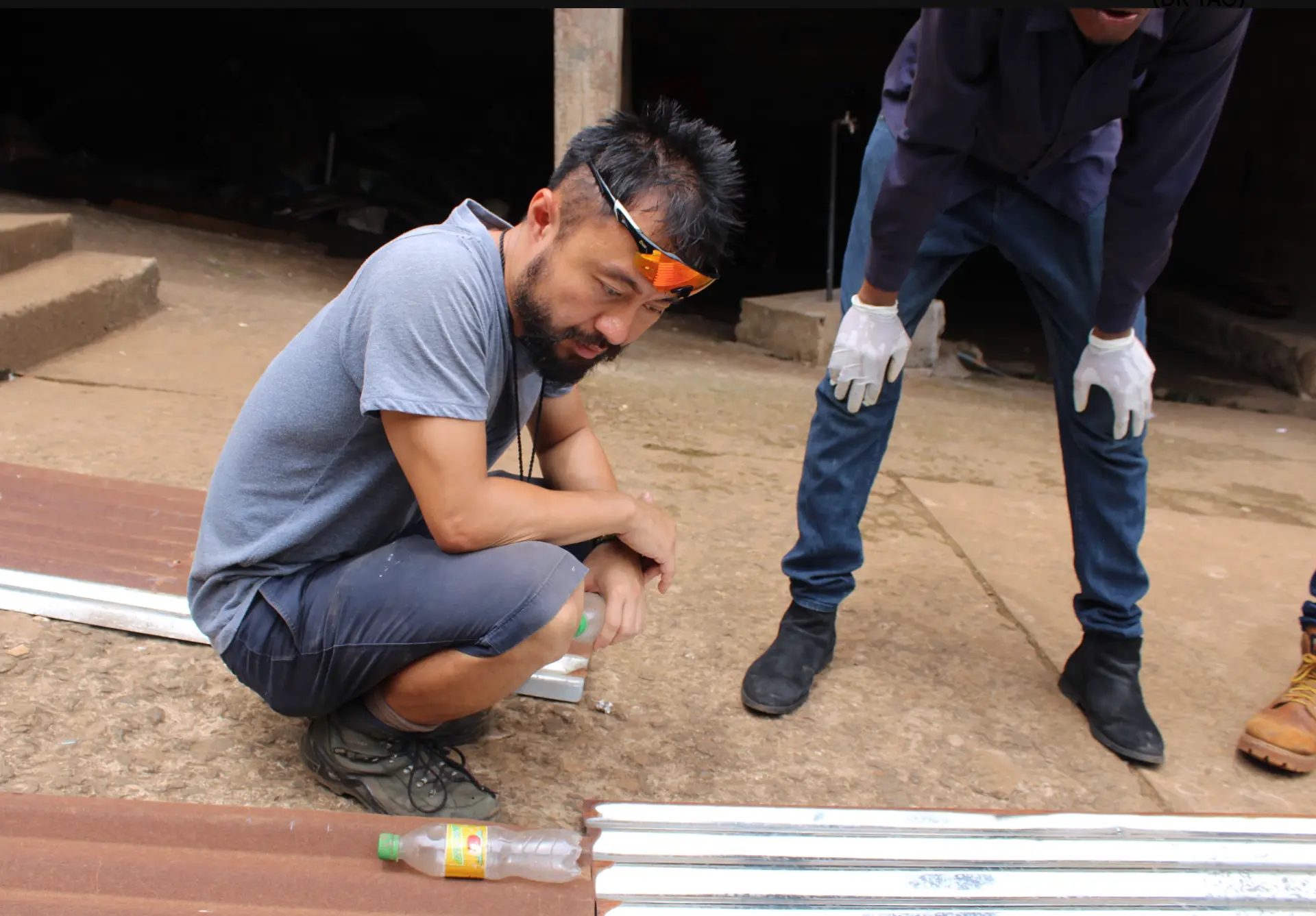
Dr. Ye Tao inspecting corrugated metal roofing during a site visit.
In Africa, we are continuing to build on the experience and knowledge gained through our field projects, refining our cooling systems and exploring opportunities for further demonstrations with local partners. These projects remain an important part of our work, particularly in understanding how affordable, passive cooling technologies can help communities facing increasingly dangerous temperatures.
Meanwhile, in China, our technical development continues to advance. We are working toward improving our reflective materials and radiative cooling technologies, with a particular focus on developing practical, affordable and durable solutions that can eventually be produced and deployed at scale.
We are also making encouraging progress in the engineering of our reflective canopy systems, exploring new approaches to their design, construction and installation. Over the coming year, we hope to bring these different strands of research and development together through further testing and carefully planned demonstrations.
Alongside these practical developments, our scientific research continues to evolve. We are refining our understanding of how different surfaces reflect incoming solar radiation, how radiative cooling can contribute to reducing heat accumulation, and how these effects can be more accurately measured and modeled. This work is fundamental to MEER's long-term vision, helping us better understand both the local cooling benefits of our technologies and their wider potential to contribute to restoring Earth's energy balance.
One of the most encouraging aspects of this journey has been the growing network of scientists, engineers, researchers and supporters who share our belief that practical, scalable approaches to cooling deserve much greater attention. Strengthening these collaborations will be a central priority as we move into 2027.
While there is still much work ahead, I remain optimistic about the direction we are taking. Developing new technologies and translating scientific ideas into practical solutions takes time, patience and careful testing. Each stage brings new lessons, and each improvement helps move us closer to our goal of making effective passive cooling accessible to communities around the world.
As always, I would like to express my sincere gratitude to everyone who continues to support MEER, whether through research, collaboration, financial contributions or simply by helping share our work and ideas.
Your encouragement and commitment make this journey possible, and I look forward to sharing further developments with you in the months ahead.
With warm regards, Dr. Ye TaoFounder and Science Director
Field stories
From the programs
Updates from MEER's field work this month.
Africa update
Preparing for the next climate adaptation project in Bonthe
MEER's Sierra Leone team is preparing a reflective cooling paint experiment at UBC Church in Bonthe, designing tailored heat and thermal comfort surveys and establishing a baseline before any cooling intervention takes place.
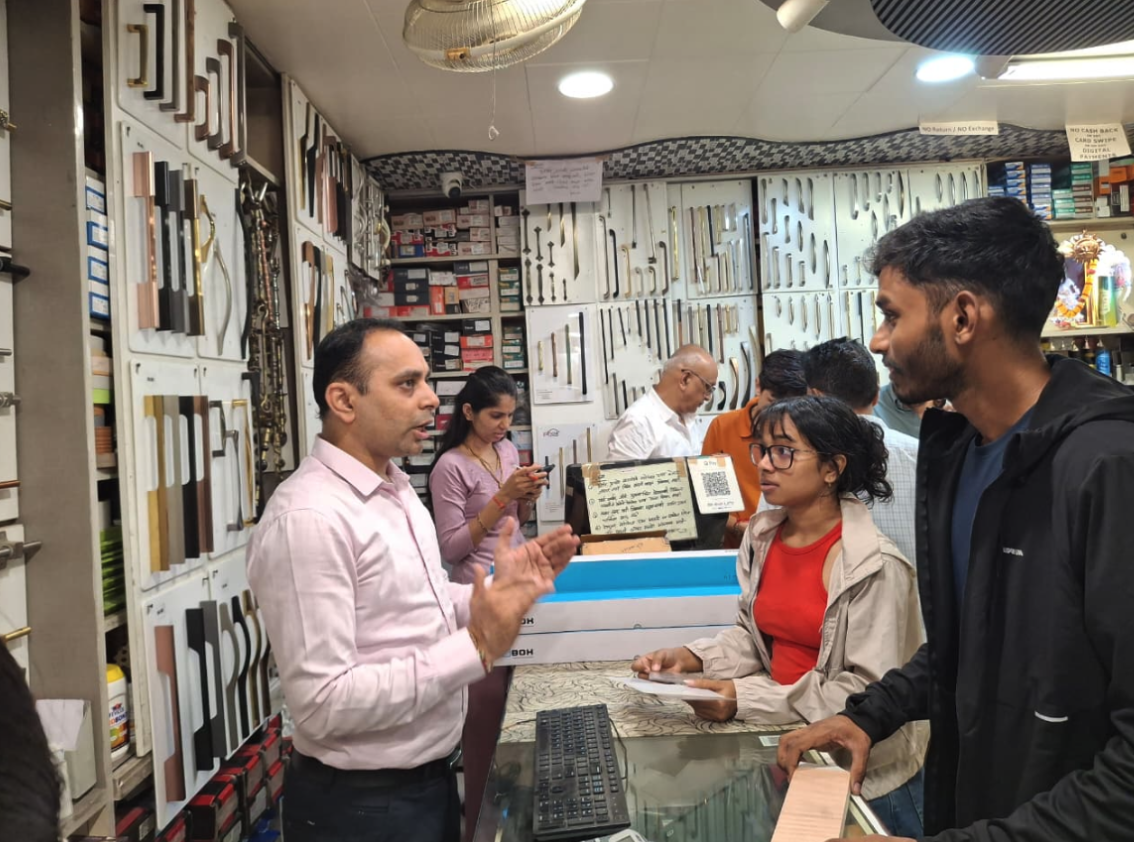
MEER India is visiting local suppliers to build an affordable, reflective cooling canopy for fruit and vegetable carts, with prototype field tests to follow.
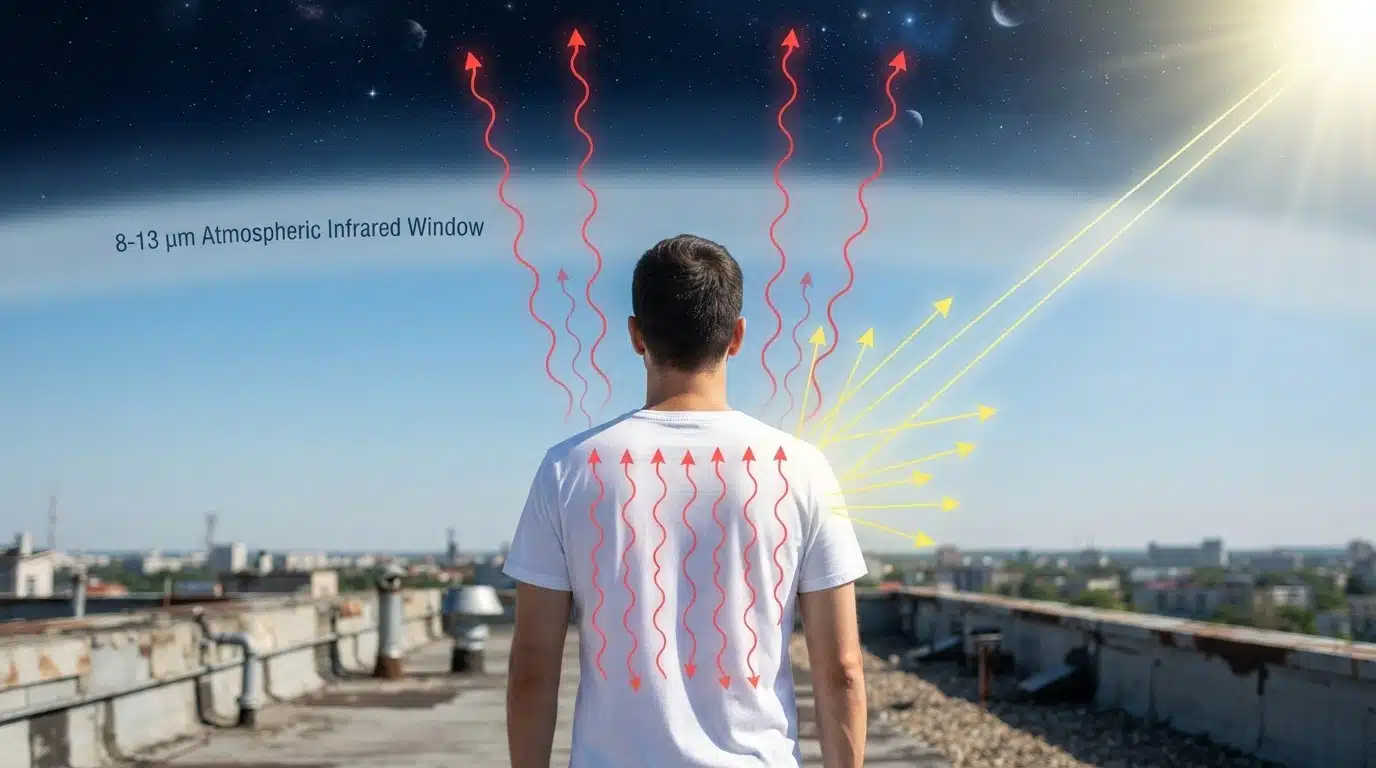
As heatwaves grow longer and hotter, clothing has quietly become the first line of personal cooling. This Intelligent Living explainer unpacks the physics behind the labels, and why the next generation of textiles is designed to beam body heat straight into outer space.
Source: Intelligent Living, "How Do Cooling Clothes Work? The Science Inside Your Summer Wardrobe."
IMO adopts frameworks to assess marine geoengineering research activities
New guidance gives governments a precautionary framework for evaluating research proposals and protecting the marine environment.
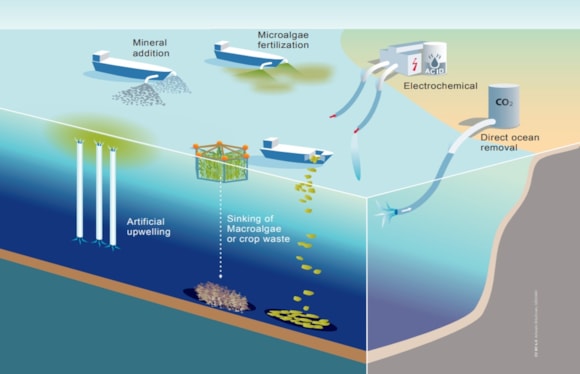
The marine approaches now covered by the new frameworks: mineral addition, artificial upwelling, microalgae fertilization, sinking of macroalgae or crop waste, electrochemical alkalinity enhancement and direct ocean removal.
Parties to the London Convention and London Protocol adopted new assessment frameworks at the International Maritime Organization (IMO) in London during their October 5 to 9, 2026 meetings. The guidance covers ocean fertilization, ocean alkalinity enhancement and the sinking of biomass, approaches intended to increase ocean carbon uptake or store carbon for long periods.
Governments will use the frameworks to assess whether proposals constitute legitimate scientific research and can proceed without unacceptable risks to the marine environment. Each framework covers initial screening, environmental assessment, risk management, decision making and review after the project.
Research, not a green light for deployment
Proposals must demonstrate a legitimate scientific purpose, assess environmental risks, include stakeholder consultation and peer review, and provide rigorous monitoring and transparent reporting. The Parties stressed that scientific knowledge remains limited and further research is needed before activities beyond the research stage can be considered.
These frameworks address marine carbon removal research, rather than reflective surface cooling. They highlight the importance of environmental safeguards as climate intervention research develops.
Ceramic cubes that cool with water, not electricity
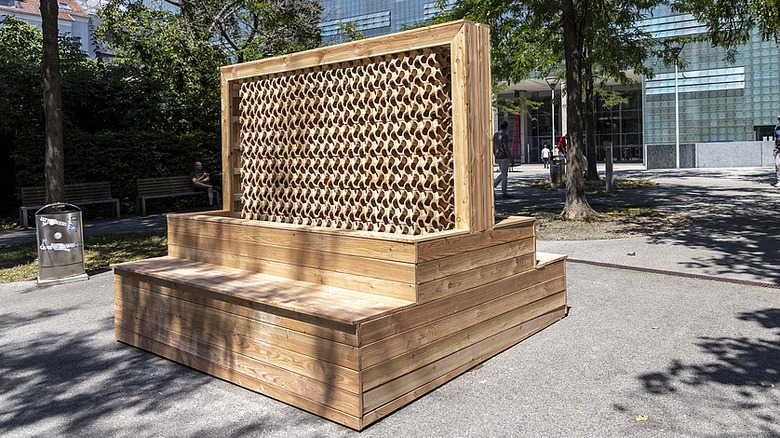
Cooling cube demonstration at TU Graz. Photo: Lunghammer / TU Graz
Researchers at Graz University of Technology in Austria have developed porous, 3D printed ceramic cubes that absorb water and release it slowly. As the water evaporates, it draws heat from the surrounding air without using electricity for the cooling process.
In a test in a hot attic, the team reported a temperature drop of nearly 13°F (about 7°C). Outdoor demonstration installations in Graz are exploring how the cubes could work as part of walls and other structures. It is an intriguing early experiment, not yet a proven replacement for air conditioning.
Breaking the Climate Deadlock: A Viable Strategy for a Divided World
With Dr. Graeme Taylor and Suzanne Reed
Climate risks are accelerating, yet the transition away from fossil fuels remains slow. Dr. Graeme Taylor and Suzanne Reed explore how climate solutions can advance in a divided world, and how international cooperation can help prevent dangerous climate overshoot.
As climate disasters intensify and food security deteriorates, major powers may consider solar geoengineering, potentially through unsafe unilateral action. The speakers examine why coordinated research and governance are urgently needed to assess possible cooling interventions as a supplement to emissions reductions and carbon removal.
Drawing on their work on climate overshoot and climate stabilization, they propose a strategy for overcoming negotiating deadlock. A 20 minute illustrated presentation is planned, followed by discussion, subject to the confirmed running order.
Friday, November 6, 2026
4:00 to 5:00 p.m. EST 1:00 to 2:00 p.m. PST 9:00 to 10:00 p.m. GMT
Free online webinar via Zoom
Dr. Graeme Taylor researches global sustainability and climate solutions. His book Evolution’s Edge: The Coming Collapse and Transformation of Our World received the 2009 IPPY Gold Medal for “the book most likely to save the world.” He coauthored the 2026 paper on managing climate overshoot and serves as an Expert Reviewer for the IPCC’s Seventh Assessment Report (AR7).
Suzanne Reed is Principal of Suzanne Reed & Associates, specializing in public policy, collaborative governance and innovation across sectors. A former Commissioner of the California Energy Commission, she also held senior roles in the US Senate and California legislature. She coauthored the 2026 climate overshoot paper and chairs the Yolo County Climate Action Commission.
Revisiting important talks and ideas from the MEER archive
As our work continues to expand internationally, it’s worth revisiting some of the presentations that helped shape MEER’s thinking.
Throwback24 minutes
Dr. Ye Tao at Congreso Futuro in Santiago, Chile
What Inspires Us
Dr. Tao was invited to attend Congreso Futuro in Santiago, Chile, where he presented on the topic “What Inspires Us.” Dr. Tao discussed how in a just civilization, capable of longevity, we would want equality of opportunity as well as equal access to happiness, but also we would want to operate within the ecological limits of this planet.
Whether you watched it when it first aired or are discovering it for the first time, this presentation remains one of the best introductions to MEER’s approach.
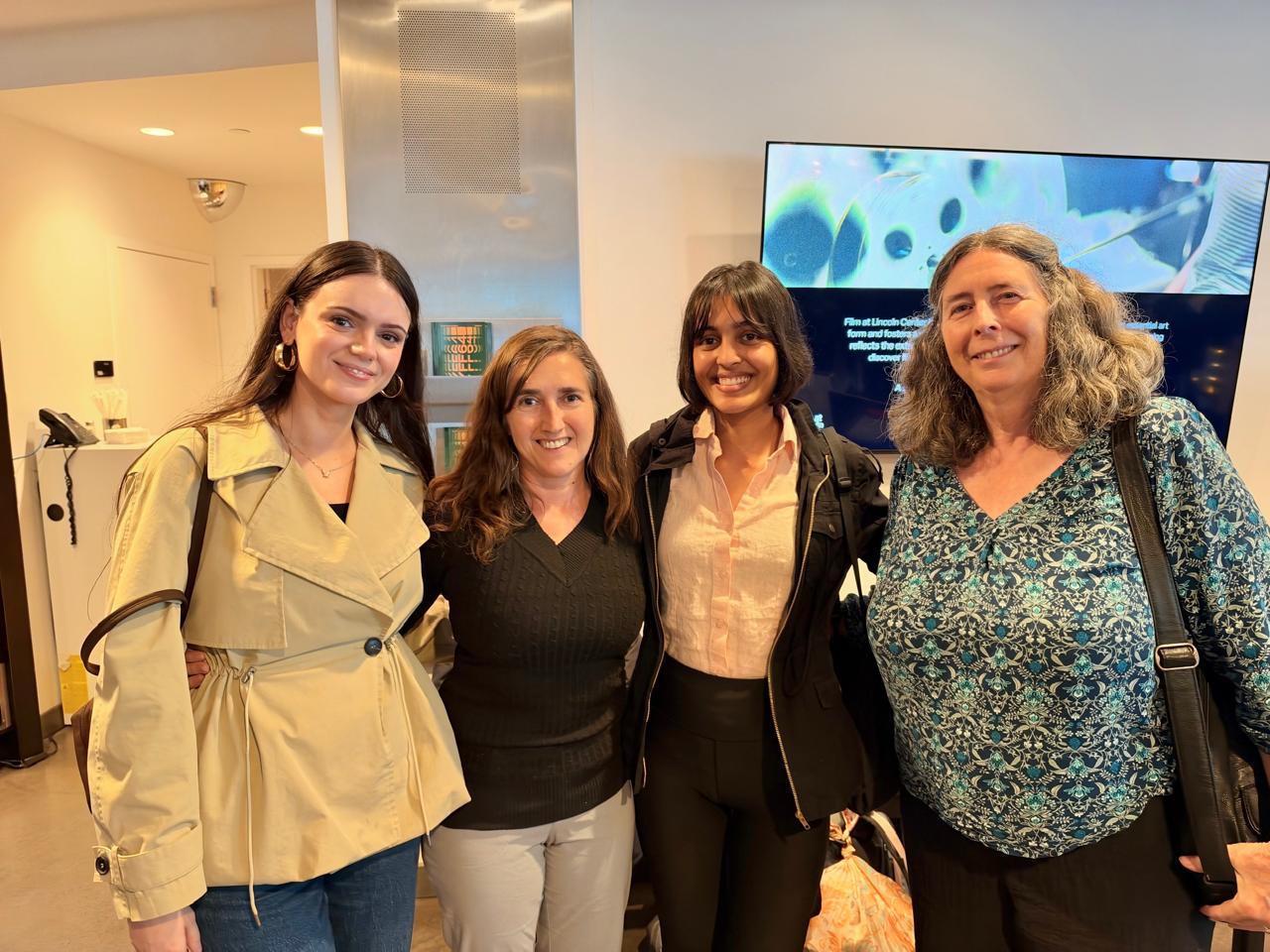
Members of the MEER community attended New York Climate Week.
MEER community members at New York Climate Week
Members of the MEER community attended New York Climate Week, including our Deputy Director Kathy Posey and our Director of Education Dr. Barbara J. Sneath. They were also joined by Arjana Ejupi and Bunny Singh Chouhan, and the group took part in sessions, screenings and gatherings across the city alongside researchers, practitioners and supporters of the wider climate movement.
The week brought a long series of conversations with scientists working across solar geoengineering, reflective surfaces and practical cooling, with plenty of discussion about how these approaches can be researched responsibly, measured honestly and brought into use where communities need them most. Several promising follow up conversations are now under way.
Have a community story? If you are taking part in an event on behalf of MEER, promoting our work, or seeing reflective cooling make a difference where you live, let us know. We would love to share your story in a future newsletter. Get in touch.
Support MEER
Help cool the planet and Protect Communities
Every contribution helps us test reflective cooling with communities facing dangerous heat, and brings practical, affordable cooling closer to the people who need it most.
Would you, or someone you know, like to help test MEER’s developing PDRC cooling paints or future canopy systems? We’re inviting individuals, schools, businesses and community organizations across the US and Europe to register their interest. Participation could range from a simple demonstration with photographs and feedback to more detailed temperature monitoring. If you know someone with a suitable space, please share this invitation with them.