Africa Update · September 2026
Understanding how shade and cooling can support vegetation growth
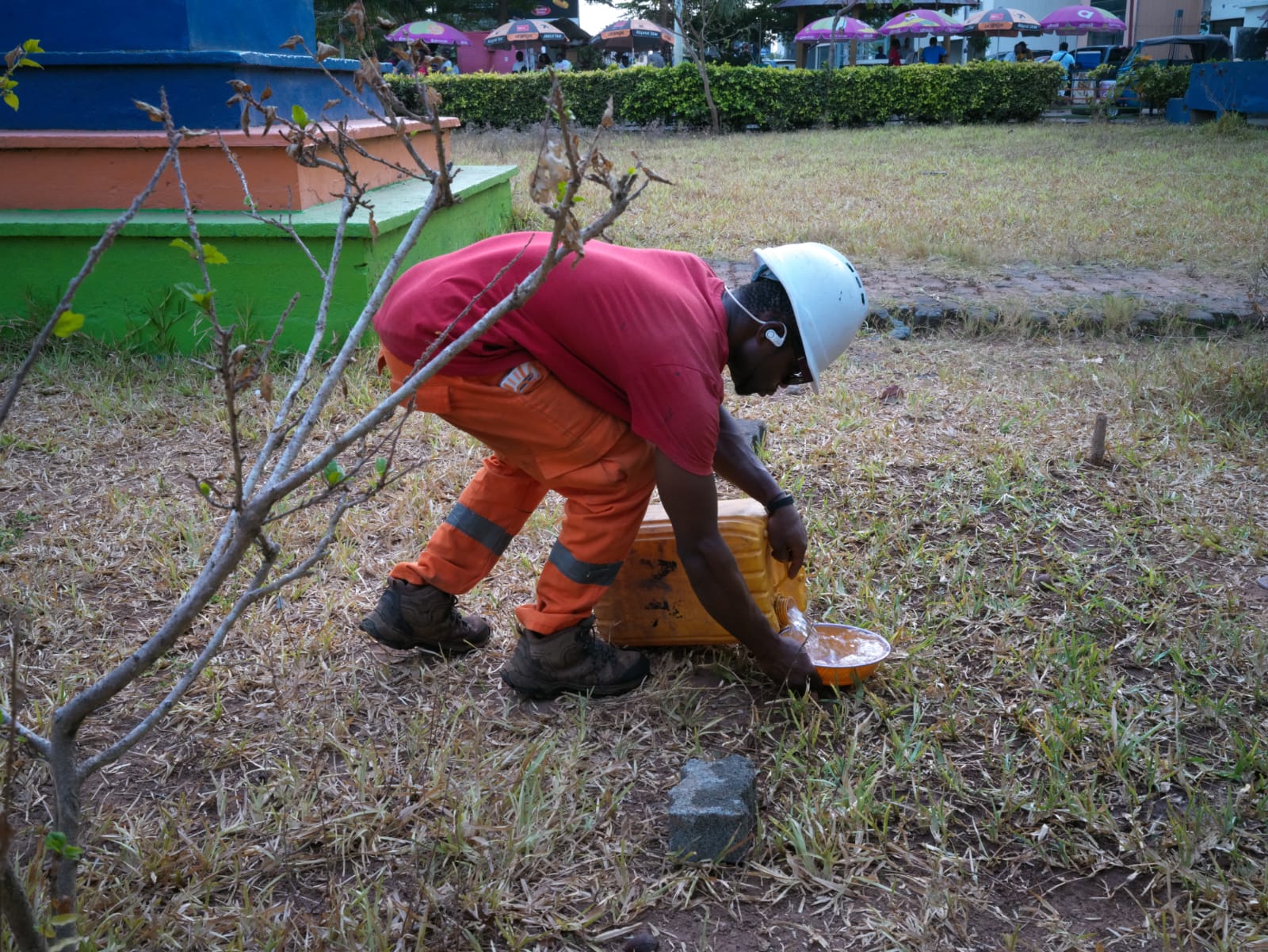
The MEER team in Africa is continuing an important strand of our climate adaptation research: investigating how shade and reduced exposure to intense solar radiation can influence vegetation growth in increasingly hot conditions.
Over recent months, the team has been conducting field experiments to compare vegetation growing under different levels of solar exposure. In August, researchers returned to the experimental areas to collect further measurements and document changes in plant and grass growth. The work involves carefully monitoring the different test areas so that changes in vegetation can be assessed over time rather than relying simply on visual observations.
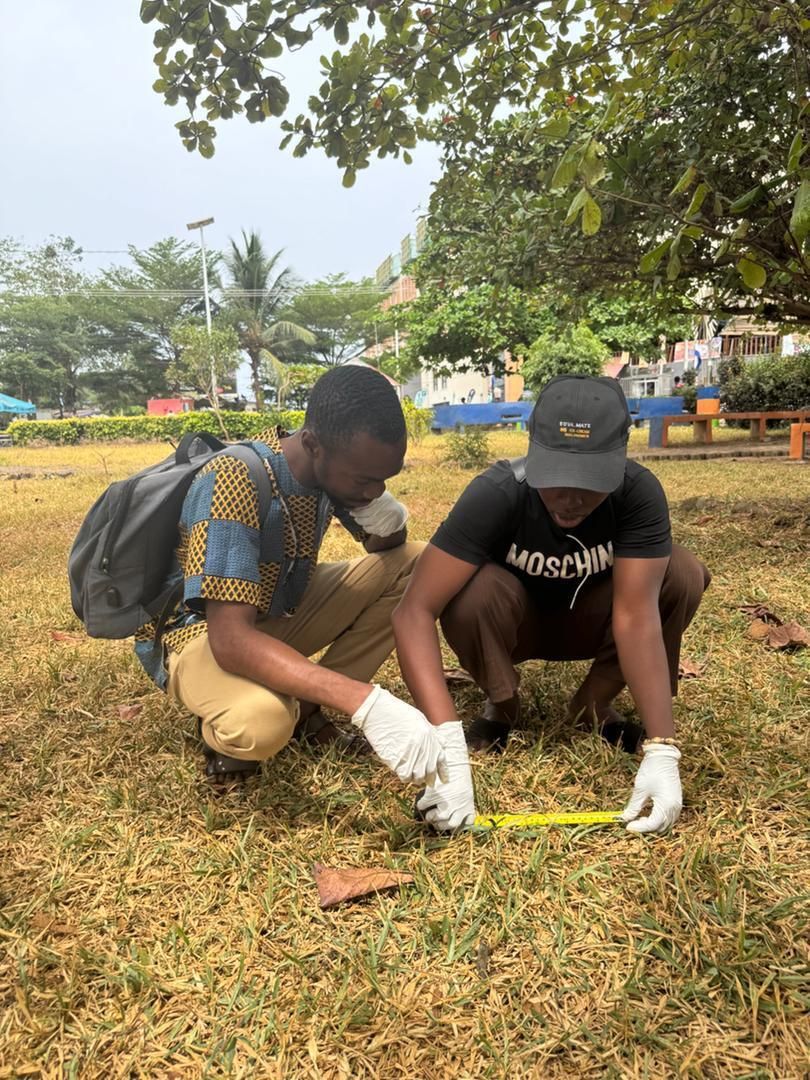
The differences observed so far have been encouraging. Areas benefiting from greater shade have shown noticeably stronger vegetation growth compared with nearby areas experiencing prolonged direct sunlight. The contrast provides an important indication of the wider effects that reducing solar exposure and surface temperatures may have on plants and the surrounding environment.
As temperatures rise, vegetation can experience increasing heat and water stress. Intense sunlight heats both plants and the ground beneath them, increasing evaporation and contributing to the loss of moisture from soils. Providing shade can reduce some of this thermal stress, potentially allowing soils to retain moisture longer and creating more favorable conditions for vegetation to survive and grow.
Understanding these relationships is particularly important in regions already experiencing high temperatures and increasing exposure to extreme heat. Healthy vegetation itself can contribute to local cooling, soil protection and more resilient environments. If relatively simple interventions can help vegetation withstand hotter and drier conditions, they could become another useful component of community-level climate adaptation.
The work therefore extends beyond demonstrating that plants grow better in a particular shaded location. MEER is seeking to understand and quantify the relationship between solar exposure, temperature and vegetation growth, and what this could mean when applied at larger scales.
The scientific assessment is continuing, with the Africa team collecting further data and monitoring how the experimental areas develop over time. These findings will contribute to MEER's broader research into how managing solar radiation and reducing local heat exposure can help protect people, infrastructure and natural environments in a rapidly warming climate.