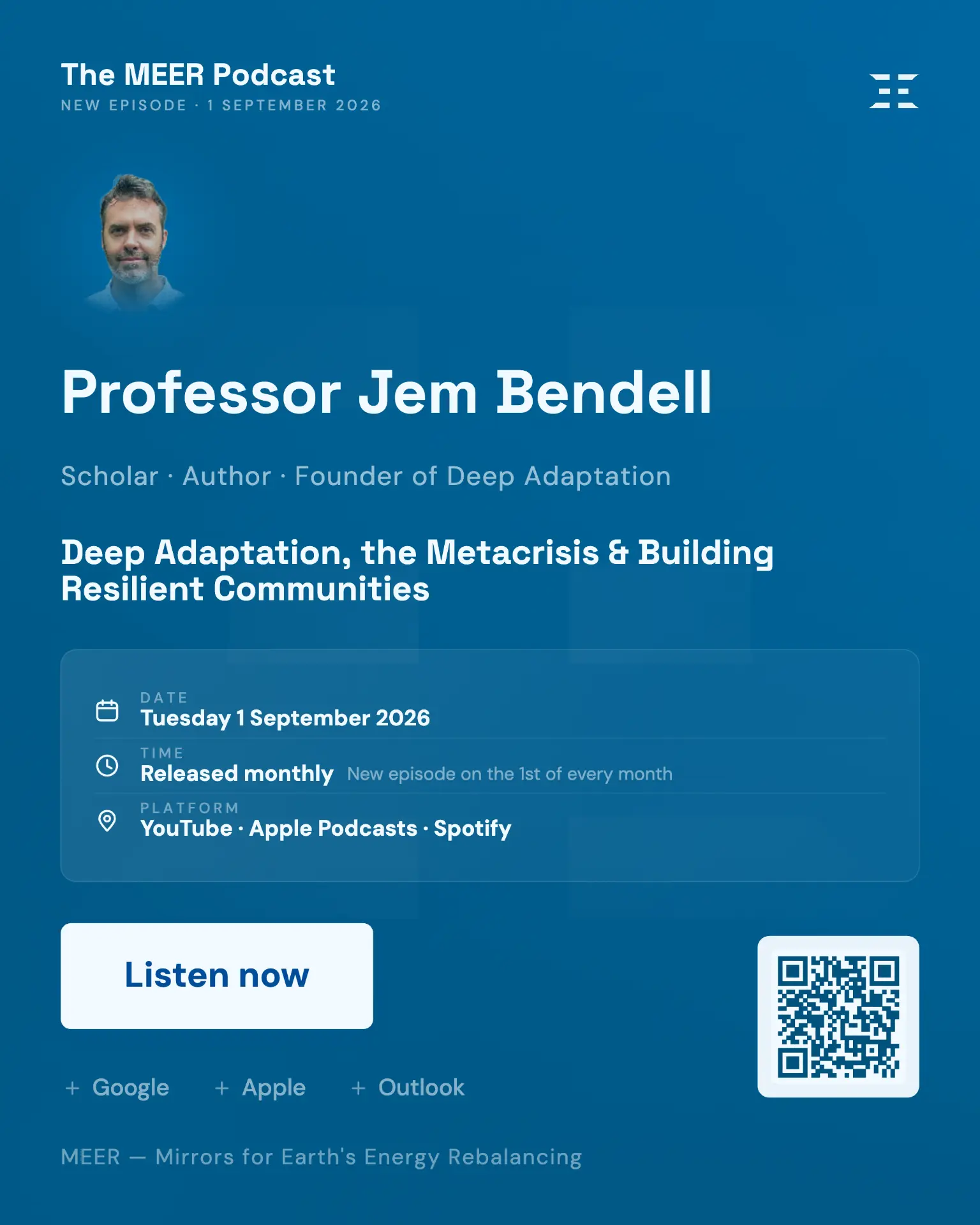

September 2026 Edition

The MEER Newsletter

This month: MEER's India team joins the climate cooling dialogue in New Delhi, researchers in Africa trace how shade supports plant growth, Dr. Ye Tao reports on new engineering and materials work in China, an international supporter represents MEER at Denmark's National Climate Summit, and Washington DC begins testing reflective streets to tackle urban heat.

Read time
12 min
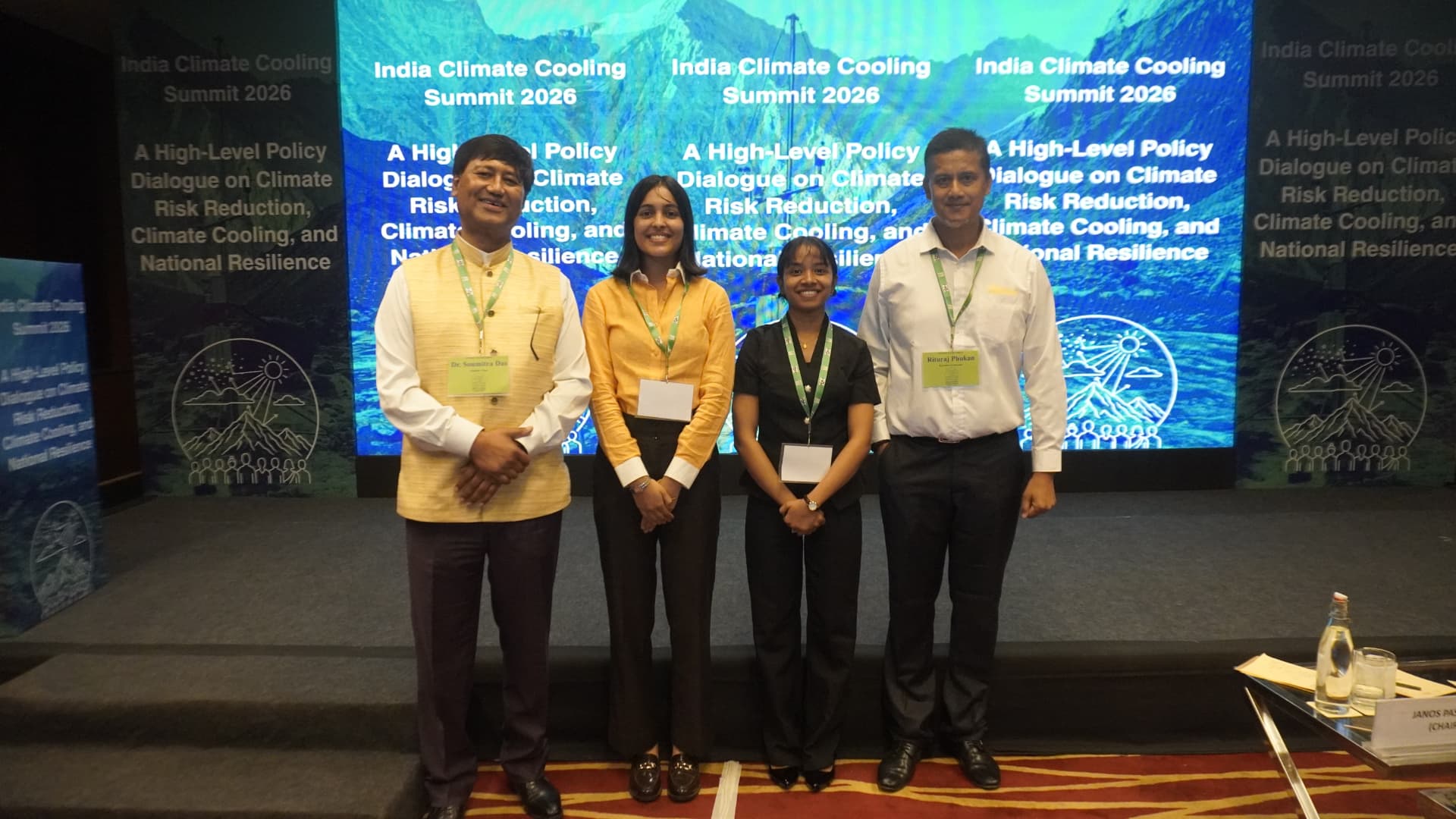
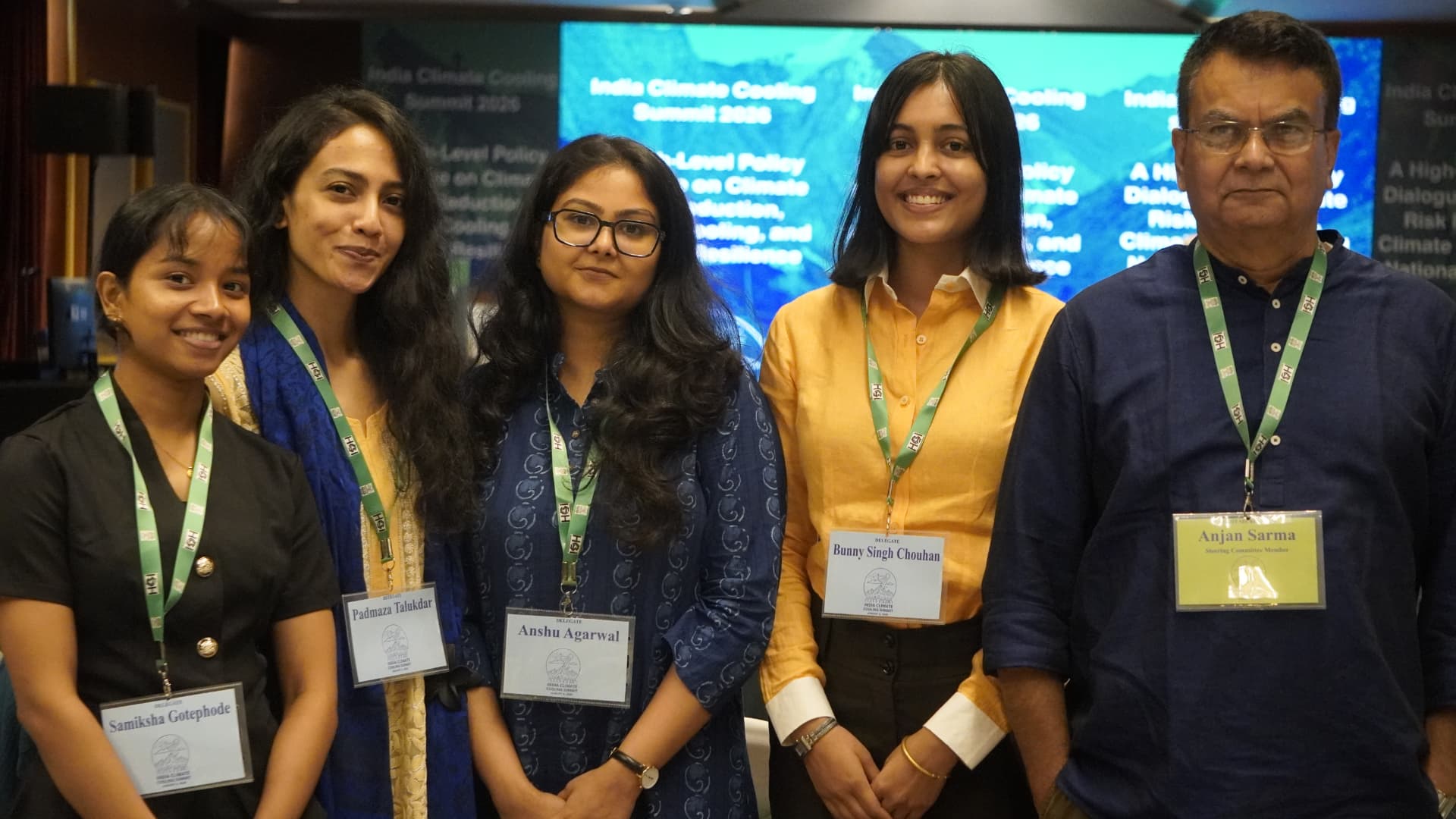
MEER delegates Samiksha Gotephode and Bunny Singh Chouhan with fellow delegates at the India Climate Cooling Summit 2026

Cover

MEER's India team with fellow delegates at the India Climate Cooling Summit 2026

New Delhi

— Editor's welcome

From the fieldto the policy table

September brings MEER's work into sharper focus. In New Delhi, our India team took part in the India Climate Cooling Summit 2026 alongside scientists, policymakers and community leaders. In Africa, field experiments are revealing how shade and lower surface temperatures can help vegetation thrive. And from China, Dr. Ye Tao shares an update on the engineering and materials program that will shape the next generation of passive cooling technologies. This edition also looks at the widening gap between the heat Earth absorbs and the heat it radiates back to space — and why that matters for every cooling strategy we pursue.

Katherine Townsend, MEER's new Global Executive Director

Katherine
Townsend

Global Executive Director

Leadership // Sept 2026

We are delighted to welcome Katherine Townsend to MEER as our new Global Executive Director.

Katherine joins the organization with more than 15 years of international leadership experience at the intersection of technology, public policy, transparency and global development. Throughout her career, she has built and led organizations dedicated to using data, innovation and collaboration to address some of society's most pressing challenges.

Her extensive experience includes serving as the first Chief Operating Officer of data.org, Director of Measurement Lab, Director for Policy at the World Wide Web Foundation, and leading President Obama's open data and transparency initiatives at the U.S. Department of State and USAID. Across these roles, Katherine has worked with governments, international organizations, civil society and the private sector to develop practical, evidence-based approaches to solving complex global problems.

At MEER, Katherine will lead the organization's global operations, helping to strengthen our international partnerships, expand our programs, and support the delivery of our mission to develop and scale practical climate cooling solutions. Her experience building organizations and translating ambitious ideas into real-world impact will be invaluable as MEER enters its next phase of growth.

“I am thrilled to join the exceptional team at MEER at such an important moment. At a time of increasing energy demand and as the impacts of extreme weather accelerate around the world, there is an urgent need for practical, scalable solutions. We deliver innovative cooling technologies that help communities adapt to rising temperatures and build resilience. I look forward to working alongside our partners, researchers, and supporters to advance MEER's mission and bring these solutions to the people who need them most.”

— Katherine Townsend, Global Executive Director

Please join us in giving Katherine a very warm welcome to the MEER team. We are excited for the journey ahead and look forward to the experience, leadership and vision she brings as we continue to expand our global impact.
Message from the founder

Advancing the science behind surface cooling

Dr. Ye Tao writes from China on MEER's new engineering and materials research team, agricultural adaptation in Asia, and building rigorous methods to measure reflective cooling.

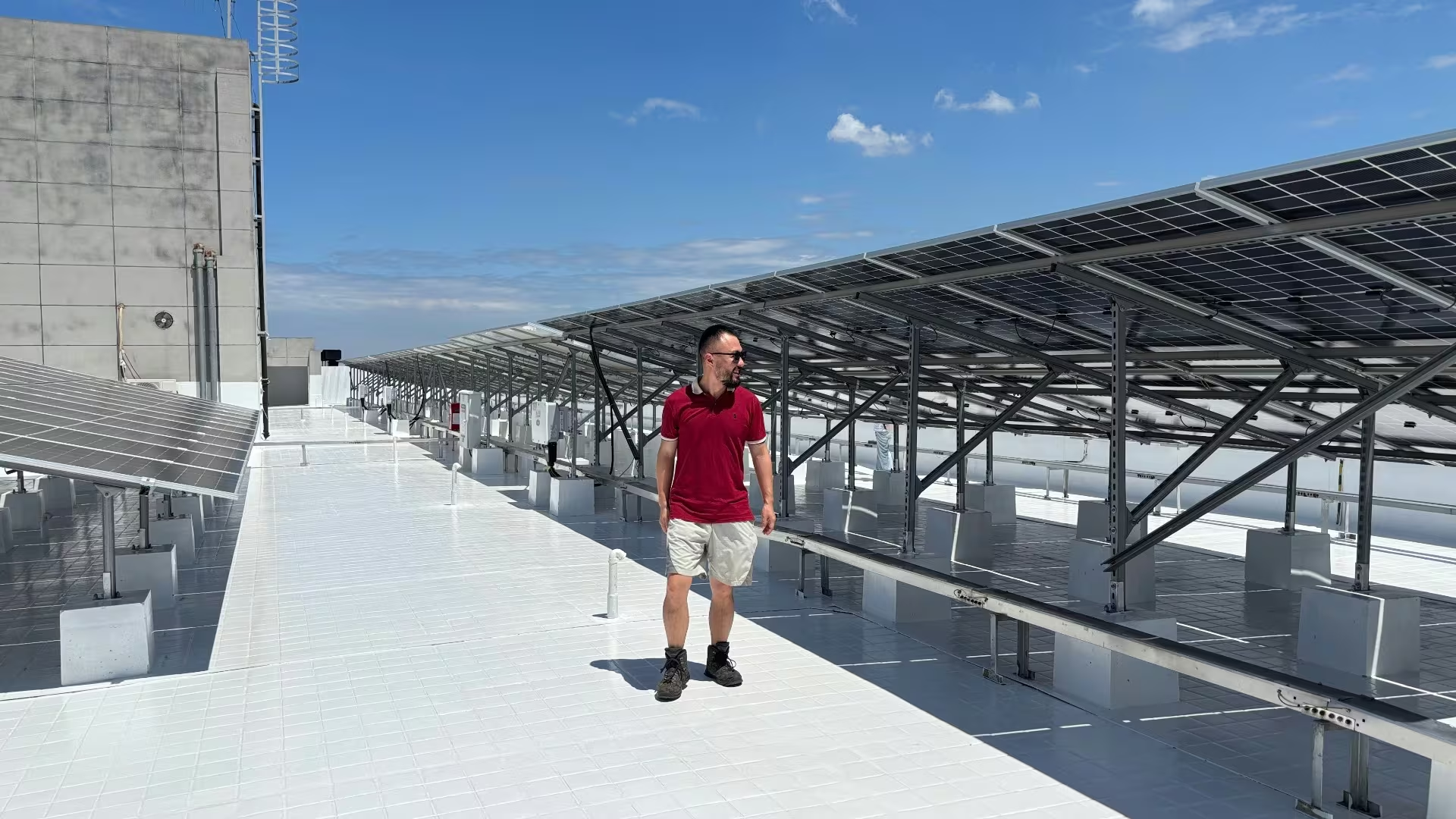
Dr. Ye Tao with reflective cooling panels during MEER's technical work in China

Dr. Ye Tao · Founder and Science Director

“During the past month, I have remained in China as we continue strengthening MEER's scientific and technical capabilities. A major focus of this work has been laying the foundations for our new technical program, including the establishment of an expanded engineering and materials research team that will support the development, testing and refinement of our next generation of passive cooling technologies.”

He also looks ahead to another scientific conference in China, plans visits to research groups studying agricultural adaptation across Asia, and further advances MEER's work to make the cooling benefits of reflective surfaces measurable and comparable worldwide.

Read the full message
Field updates

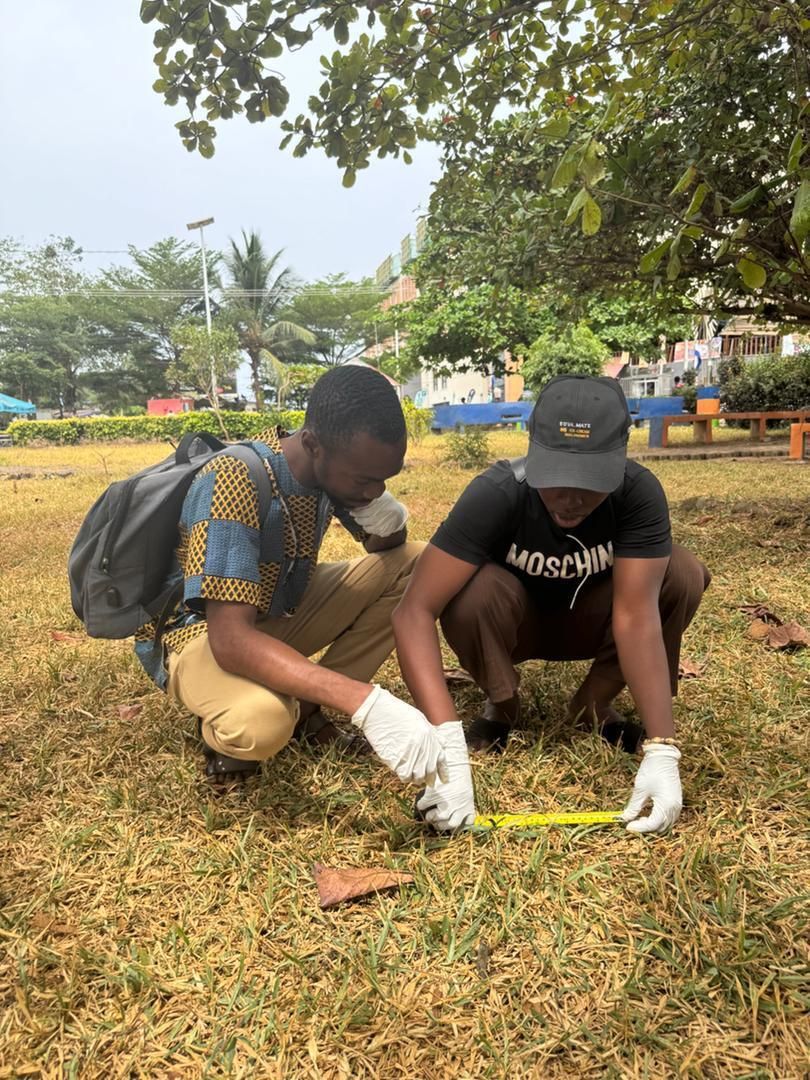
Two regions, one question: how much cooling helps?

From shade experiments in Africa to policy dialogue in New Delhi — this month's regional updates.

Science spotlight

Earth's energy imbalance raises new climate concerns

Satellite records show the planet is reflecting less sunlight than it used to — and absorbing more heat than models predicted.

Read the full article on The Economist

Watch: The Economist on Earth's energy imbalance

“The rate at which Earth is absorbing energy is alarming climate scientists.”
— The Economist

A major feature published by The Economist examines growing concern among climate scientists over Earth's rapidly increasing energy imbalance.

Satellite observations show that Earth's reflectivity (albedo) has declined significantly since 2000, meaning the planet is absorbing more heat than climate models had anticipated.

Paper to read

Managing climate overshoot: a risk-based strategy for climate stabilisation

A new perspective in Frontiers in Climate argues that climate stabilisation should be treated as a risk-management challenge — comparing the risks of intervention with the risks of continued warming.

Current strategies centered on emissions reduction and carbon removal are unlikely to prevent temperatures from crossing dangerous tipping points. Although essential, these approaches operate too slowly to counter near-term warming driven by Earth's growing energy imbalance, weakening carbon sinks, and amplifying climate feedbacks.

Taylor, Wadhams, Goreau, Reed, Kuswanto, Visioni and Garrity outline a comparative risk–risk framework that integrates mitigation, carbon removal, and cooling interventions. They suggest that a viable strategy may require combining rapid decarbonization, expanded carbon removal, and carefully governed cooling interventions to limit near-term warming — and that without aligning response timelines with accelerating climate threats, the likelihood of irreversible Earth-system disruption will continue to grow.

Read the full paper
Policy briefing

A safe climate means cooling an overheated planet

A new briefing paper from Safe Climate Australia, written by David Spratt, sets out a “reduce, remove and repair” framework for reversing dangerous warming — and names MEER's mirror-based surface cooling among the albedo approaches that warrant urgent research.

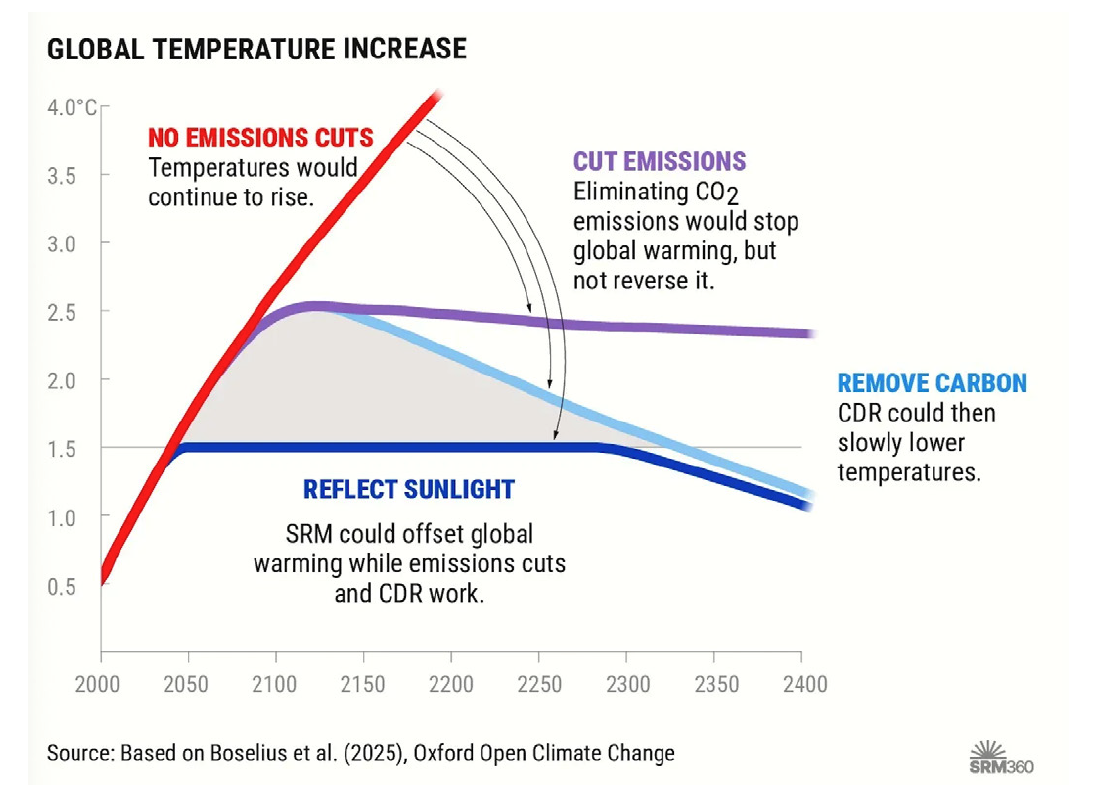
Chart showing projected global temperature increase under no emissions cuts, emissions cuts, sunlight reflection and carbon removal
The three levers — emissions cuts and carbon removal tackle the root cause, while sunlight reflection could limit peak warming while they work. Based on Boselius et al. (2025), Oxford Open Climate Change / SRM360.

The briefing argues that climate risks are cascading, non-linear and underestimated: several tipping points are moving faster than forecast, and some appear to have been crossed already at today's roughly 1.5°C (2.7°F) of warming. Protecting the places and peoples we care about, it says, means working back toward the relatively stable Holocene conditions of the last 9,000 years, when carbon dioxide stayed below 280 parts per million.

Getting there requires three levers rather than one: reducing emissions to zero at emergency speed, removing carbon by drawdown, and repairing the Earth's energy balance through research into safe cooling interventions. The harsh conclusion is that the first two levers alone cannot stop warming pushing past 1.5°C (2.7°F) — and in all likelihood 2°C (3.6°F) — because warming already committed, plus the rising Earth energy imbalance, is locked into the system.

Among the albedo approaches reviewed, the paper points to “enhancing surface reflection with mirrors, such as the Mirrors for Earth's Energy Rebalancing (MEER) project”, noting that the approach is at an early stage of research development but “appears to not be bounded by material or energy use constraints”. It is a useful, independent framing of where surface cooling sits within a wider climate strategy.

Urban update

Washington DC tests reflective streets to tackle urban heat

The District Department of Transportation has launched a Cool Corridors pilot to see whether solar-reflective pavement can reduce extreme heat in heat-vulnerable neighborhoods.

A crew applies a solar-reflective pavement coating on a Washington DC street as part of the Cool Corridors pilot
Workers finish a reflective pavement coating on a Washington DC road during the Cool Corridors pilot

An interesting new urban cooling experiment is underway in Washington, DC, where the District Department of Transportation (DDOT) has launched its Cool Corridors Pilot to investigate whether solar-reflective pavement can help reduce extreme heat across the city.

Launched in July 2026, the project is testing reflective pavement coatings at five locations in heat-vulnerable neighborhoods. Rather than absorbing large amounts of incoming solar energy, as conventional dark pavement does, the coatings are designed to reflect more sunlight back into the environment.

DDOT estimates that the treatments could reduce pavement surface temperatures by as much as 20°F — approximately 11°C.

Importantly, the project is not simply installing the coatings and assuming that a cooler surface means a cooler environment. American University is conducting before-and-after monitoring to assess their real-world performance and determine whether reductions in pavement temperature translate into meaningful improvements in conditions at street level.

This distinction is important. Previous research into reflective pavements has demonstrated substantial reductions in surface temperature, but has also raised questions about where the reflected solar energy ultimately goes. Increasing the reflectivity of a horizontal surface can increase the amount of sunlight experienced by pedestrians and surrounding structures during the day, potentially affecting human thermal comfort even while the pavement itself becomes considerably cooler.

The Washington pilot therefore provides an interesting example of the increasingly sophisticated approach cities are taking towards heat adaptation: measuring not only whether an intervention cools a particular surface, but how it changes the wider thermal environment.

DDOT is also considering reflective pavement alongside complementary measures such as tree canopy and green infrastructure, recognizing that there is unlikely to be a single solution to urban heat.

The results, expected by the end of 2026, should provide useful real-world evidence about where reflective pavement works best, its limitations, and whether the approach should be expanded to other heat-prone areas of Washington.

For MEER, projects such as this are particularly interesting. They demonstrate the growing international interest in managing solar radiation at the surface as a practical climate-adaptation tool, while also highlighting the importance of carefully measuring how reflective interventions affect surfaces, buildings and, ultimately, the people living within increasingly hot urban environments.

Community

MEER represented at Denmark's National Climate Summit 2026

International supporter Maarten Bijl brought MEER's work into the European climate adaptation conversation at the Klimatorium in Lemvig.

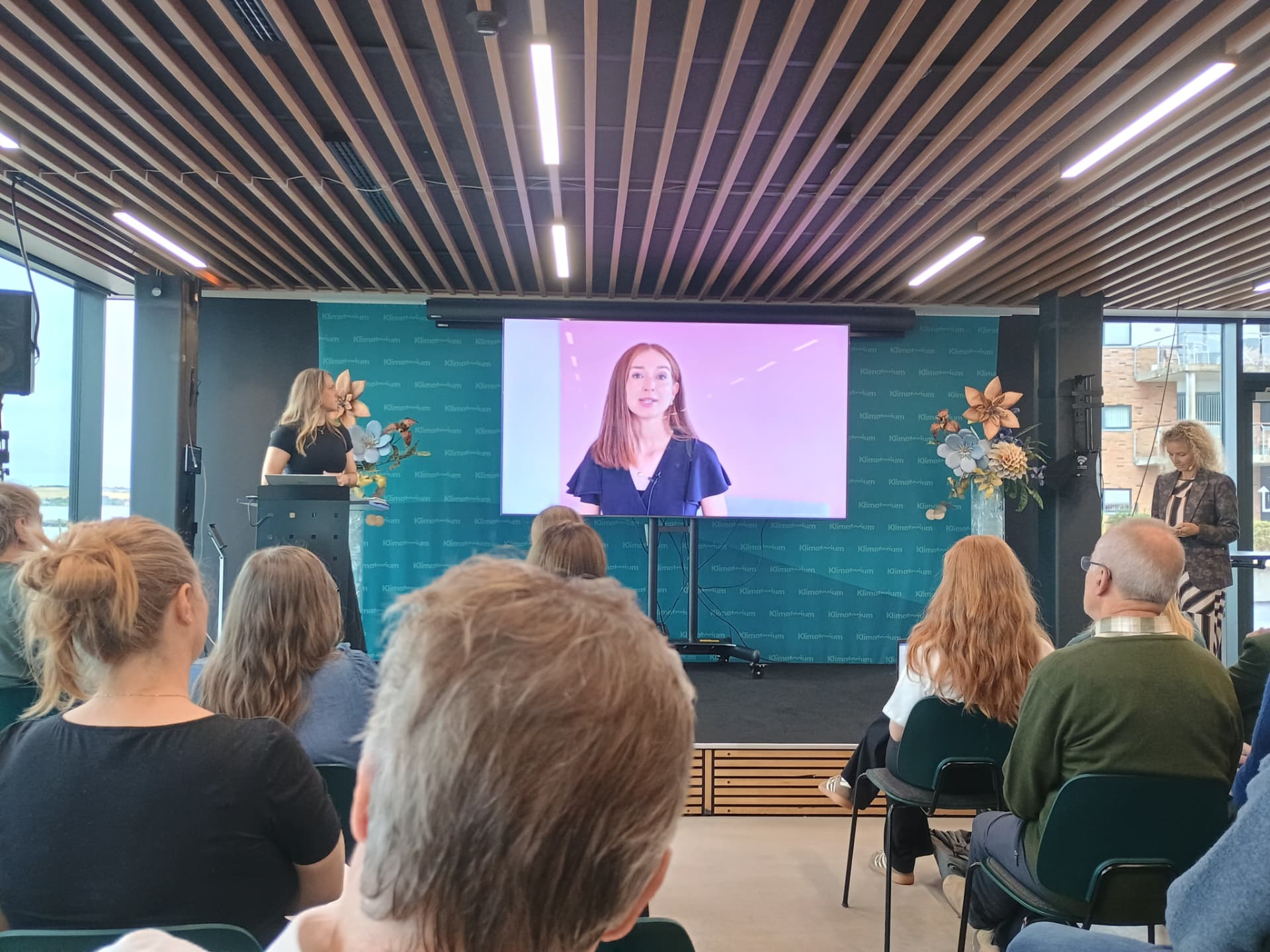
A speaker addresses delegates at Denmark's National Climate Summit 2026 at the Klimatorium in Lemvig
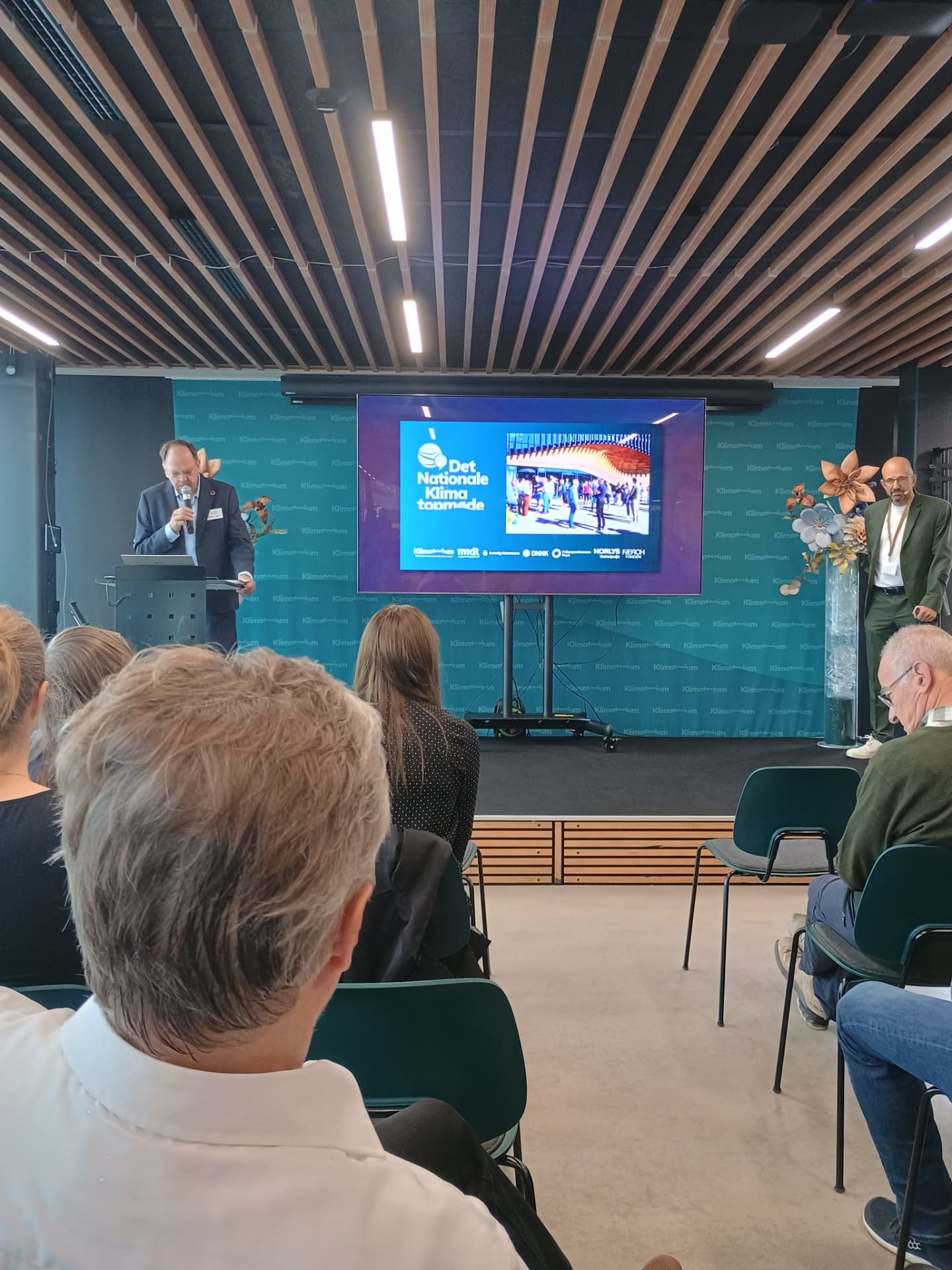
A presentation on climate adaptation at Denmark's National Climate Summit 2026

International supporter of MEER, Maarten Bijl, attended Denmark's National Climate Summit (Det Nationale Klimatopmøde 2026) at the Klimatorium in Lemvig this August.

The summit brings together climate experts, researchers, policymakers, organizations and industry representatives to discuss how societies can respond practically to the realities of a rapidly changing climate.

A major focus of this year's gathering is climate adaptation — moving beyond recognizing the scale of climate risk towards developing and implementing solutions that can help communities cope with increasingly challenging environmental conditions.

This is particularly relevant to MEER's work. As global temperatures continue to rise, there is an increasingly urgent need for practical adaptation measures that can reduce people's exposure to extreme heat and make homes, schools, healthcare facilities, workplaces and communities more resilient.

Maarten's attendance provided an opportunity to represent MEER within the wider European climate adaptation community, exchange ideas with others working on practical responses to climate change, and raise awareness of MEER's approach to passive cooling and reducing heat exposure through reflective surfaces and other locally deployable interventions.

International forums such as Denmark's National Climate Summit are an important opportunity to connect MEER's work with the wider climate adaptation conversation and strengthen relationships with organizations and individuals working towards practical solutions for a hotter world.

Have a community story? If you are taking part in an event on behalf of MEER, promoting our work, or seeing reflective cooling make a difference where you live, let us know. We would love to share your story in a future newsletter.

Media

MEERTalk and podcast

Catch up on last month's conversations, then join us live in September.

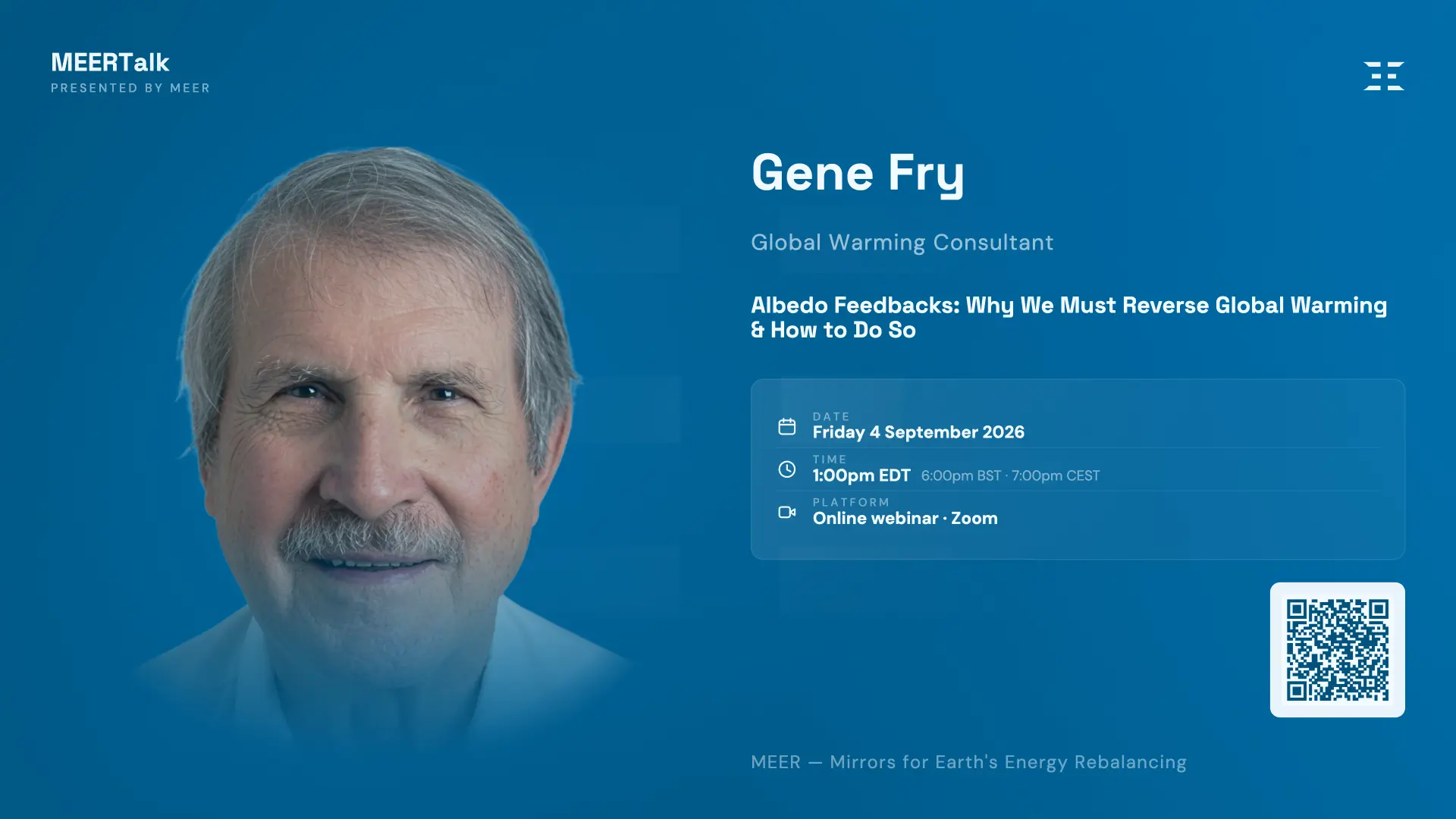
MEERTalk with Gene Fry — Albedo Feedbacks: Why We Must Reverse Global Warming & How to Do So, Friday 4 September 2026

Upcoming MEERTalk

Albedo Feedbacks: Why We Must Reverse Global Warming & How to Do So

With Gene Fry, Global Warming Consultant — a live webinar on why reversing warming, not just slowing it, is the decisive lever.

Date
Friday 4 September 2026
Time
1:00pm EDT6:00pm BST · 7:00pm CEST
Platform
Online webinar · Zoom

Support MEER

Help Cool the Planet.
Protect Communities from Extreme Heat.

Your contribution helps MEER expand field research in Africa and Asia, advance peer-reviewed science, and bring reflective cooling into climate policy conversations worldwide.