India Update · November 2026
Developing practical cooling for street vendors
MEER India is taking the next steps toward an affordable, reflective cooling canopy for fruit and vegetable carts, built from locally available materials.
Millions of street vendors across India work long hours under intense sun with little protection. For fruit and vegetable sellers, rising temperatures threaten their health and comfort and speed up the spoilage of the produce they depend on.
MEER India is developing a lightweight canopy that fits onto traditional carts. Its highly reflective surfaces are designed to reduce the solar energy the structure absorbs, creating a cooler space beneath it without using any electricity.
Starting with local materials
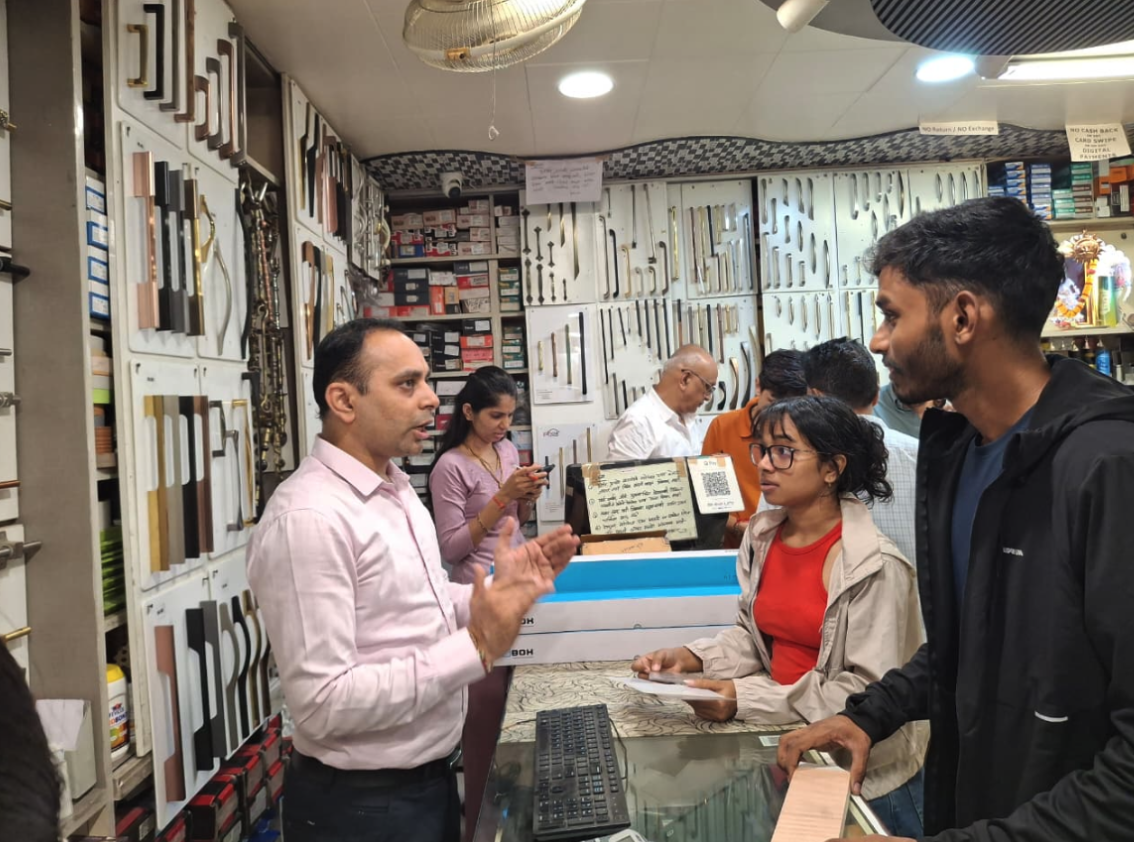
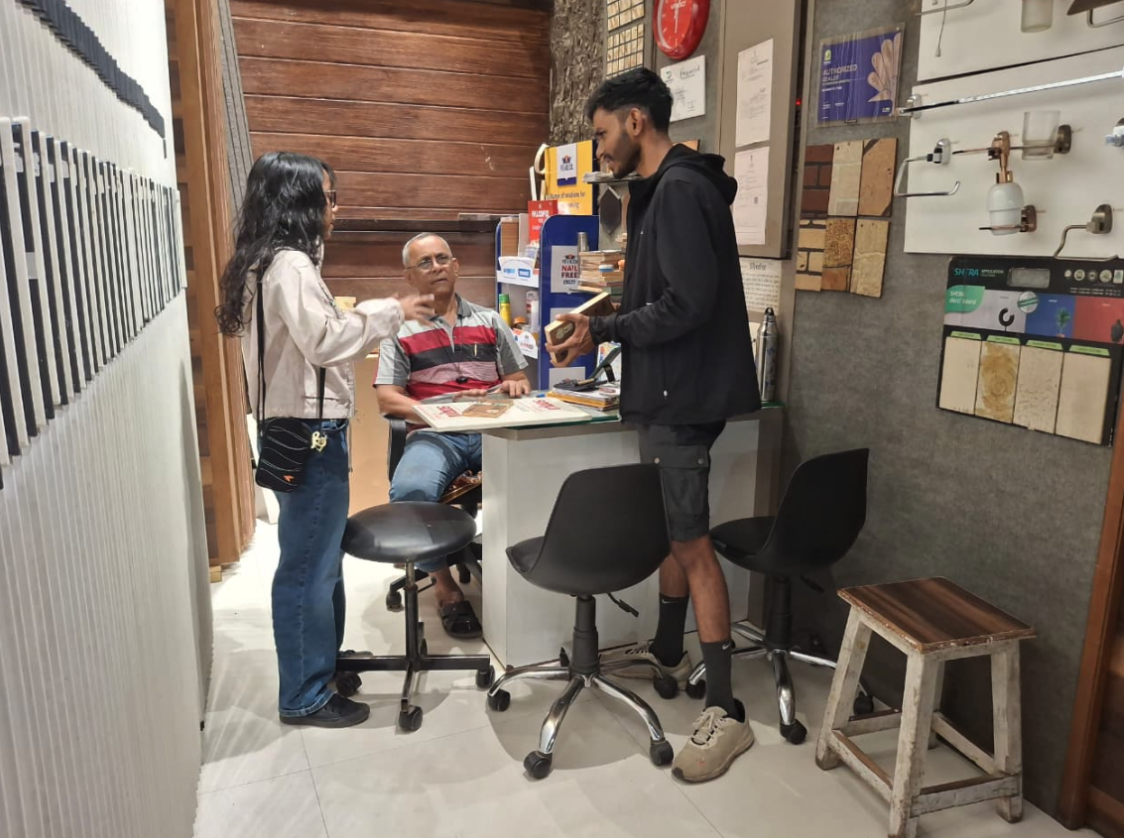
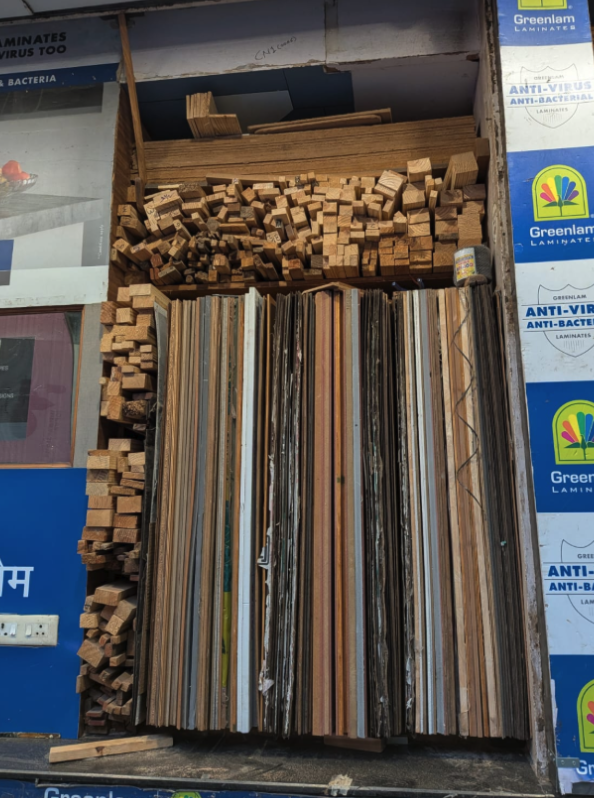
The team has been visiting local suppliers to see what is readily available, how different materials might hold up outdoors and which offer the best balance of cost, durability and practicality. Any design must be light enough for daily use, robust enough for the weather and affordable for vendors on limited incomes.
Prototype testing plan
These investigations will shape a first prototype, which will then be tested in real street conditions.
Step 1
Build
Assemble a small number of canopy prototypes from the most promising local materials, each fitted to a standard fruit and vegetable cart.
Step 2
Measure
Place prototypes beside carts with conventional covers and log air temperature, surface temperature and produce temperature beneath each through the hottest hours of the day.
Step 3
Use
Ask vendors to work with the canopy over several ordinary trading days, checking weight, setup time, stability in wind and durability in sun and rain.
Step 4
Listen
Gather vendor feedback on comfort, practicality and what they would realistically pay, then refine the design before any wider rollout.
Why it matters
Though still at an early stage, the cooling cart reflects MEER's commitment to passive, accessible cooling. By working with local suppliers and designing for local conditions, the team is laying the groundwork for a solution that could be adapted for markets and communities across India and beyond.